
Crassula expansa
Crassula expansa
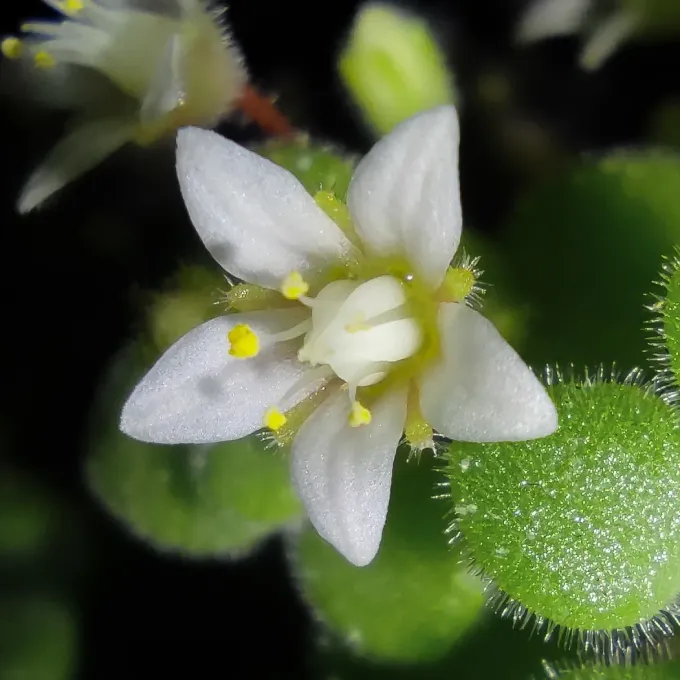
Description
Growing requirements
Crassula expansa is a perennial succulent plant belonging to the Crassulaceae family. Native to the arid regions of Southern Africa, this plant has evolved to survive in nutrient-poor, rocky environments with limited water availability.
The botanical structure is defined by its prostrate stems and fleshy leaves, which often display vivid red or purple coloration when exposed to intense sunlight. This pigment variation is a tactical response to high levels of ultraviolet radiation in its natural habitat.
To cultivate this species successfully, growers must prioritize a substrate with excellent aeration and drainage. A mixture of gravel, pumice, and loam is ideal, ensuring that water drains away rapidly to prevent root rot, which is the most common cause of failure in this crop.
Regarding climate, Crassula expansa requires high light exposure for optimal growth. It is intolerant of prolonged periods of frost, making it suitable for outdoor cultivation only in subtropical climates or as a container-grown plant in temperate regions.
Economically, this plant is primarily utilized in the ornamental horticulture sector. Its trailing habit makes it an excellent choice for hanging baskets, rock gardens, and xeriscaping projects that focus on low-water-use landscaping solutions.
Main diseases and pests
The primary threats to Crassula expansa health are fungal diseases triggered by overwatering and poor ventilation. Excessive moisture trapped in the soil leads to crown rot and bacterial infections that can spread rapidly throughout the plant colony.
Mealybugs represent the most significant pest challenge for this crop. These insects settle in the dense foliage, extracting sap and weakening the plant's structural integrity, which often necessitates manual removal or the application of insecticidal soaps.
Spider mites can also be problematic in arid, greenhouse-controlled environments where air circulation is insufficient. Infestations manifest as fine webbing and mottled yellowing on the leaf surfaces, necessitating an increase in ambient humidity or targeted miticides.
Root-knot nematodes may occasionally affect plants grown in unsterilized ground soil, causing stunted growth and poor health. Utilizing pre-sterilized potting mixes is a standard protective measure in professional nurseries.
Preventative care involves consistent monitoring of leaf color and turgor pressure. By maintaining a strict "dry-out" cycle between watering sessions, growers can significantly reduce the risk of biological threats and ensure vigorous plant development.