
Crassula exilis
Crassula exilis
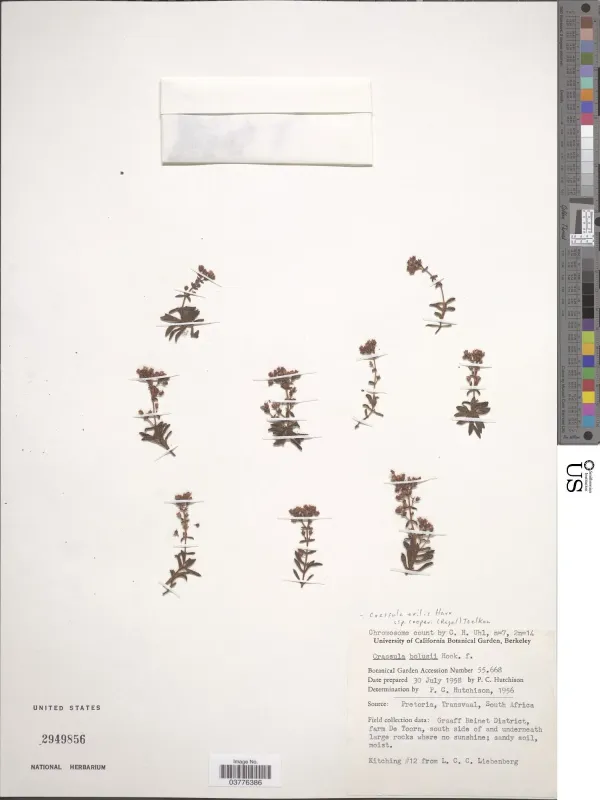
Description
Growing requirements
Crassula exilis is a succulent plant species belonging to the Crassulaceae family. Native to the arid regions of Southern Africa, it has adapted perfectly to rocky terrains and low water availability.
Botanically, this species is defined by its low-growing rosette form and succulent, often textured leaves. It has evolved specialized tissues to store moisture, allowing it to survive prolonged dry spells.
To cultivate this plant successfully, you must use a highly porous and well-draining soil mix. A combination of grit, perlite, and a small amount of potting compost is generally considered ideal for its root health.
The plant thrives in bright, indirect light conditions. While it can handle some early morning sun, intense afternoon direct light might scorch the leaves and permanently damage the foliage.
Temperature management is crucial; the plant performs best in a range of 18–25°C. During the winter dormancy phase, it prefers slightly cooler conditions, which helps promote flowering in the following season.
Main diseases and pests
The most common pests affecting Crassula exilis are mealybugs, which tend to congregate in the tight leaf axils. These pests can weaken the plant by extracting essential nutrients and fluids.
Spider mites are another potential threat, particularly in environments with very low humidity. Regular monitoring of the underside of the leaves is advised to catch any early infestations.
Root rot is the most serious disease risk, almost always caused by waterlogged soil. Proper drainage and infrequent irrigation are the primary methods of preventing this fatal condition.
Control of pests can be achieved using appropriate systemic insecticides or horticultural oils. Always ensure the chosen product is safe for succulent species to avoid phytotoxic damage to the leaves.
Maintaining good hygiene by removing dead foliage and providing adequate airflow around the plant significantly reduces the risk of fungal infections and pest colonization.