
Crassula deceptor
Crassula deceptor
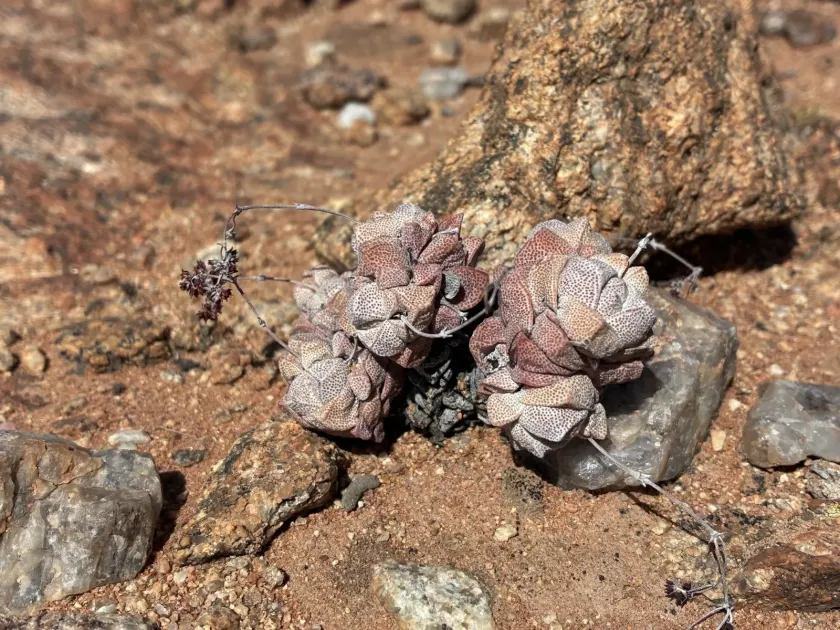
Description
Growing requirements
Crassula deceptor is a distinct succulent species belonging to the Crassulaceae family. Originating from the arid regions of Southern Africa, this plant has evolved to survive in harsh environmental conditions with limited water availability and high solar intensity.
Botanically, the plant is characterized by its compact, stalk-like appearance. The leaves are thick, succulent, and arranged in such a tight formation that they often completely conceal the stem, providing an efficient strategy for water conservation and protection against UV radiation.
In terms of climate requirements, Crassula deceptor demands high levels of light throughout the year. It thrives in well-ventilated areas where it can receive bright, indirect sunlight or controlled direct sun exposure during the cooler hours of the day.
Soil composition is critical for the success of this culture. It requires a highly porous, gritty substrate that ensures rapid drainage. A mix including pumice, coarse sand, and a small amount of organic potting soil is ideal to mimic the natural rocky habitats of the plant.
Agricultural management involves strict adherence to the watering cycle. During the growing season, water should be applied only when the substrate is completely dry. In winter, the plant enters dormancy, requiring a dry, cool environment to maintain its health and structural integrity.
Main diseases and pests
Root rot is the primary threat to Crassula deceptor, primarily triggered by overwatering or using soil mixtures that retain excessive moisture. Once rot takes hold at the root level, it can rapidly progress to the base of the stem, often resulting in the loss of the plant.
Mealybugs are the most common pests affecting this species. Due to the plant's tight leaf structure, these insects can hide deep between the leaves, making them difficult to detect and eradicate without consistent manual inspection and appropriate chemical intervention.
Spider mites can also pose a significant threat in environments with low humidity and high temperatures. They damage the plant's surface, leading to disfigurement and a reduced ability for the plant to conduct photosynthesis effectively.
Fungal infections are another major risk, particularly in high-humidity settings where air circulation is restricted. Preventive measures should include proper spacing between plants and the avoidance of water accumulation on the foliage.
Integrated pest management, including regular monitoring and the use of systemic insecticides or horticultural oils, is necessary to keep the collection healthy. Early detection of symptoms is vital for effective recovery and preventing spread to other specimens.