
Crassula colorata
Crassula colorata
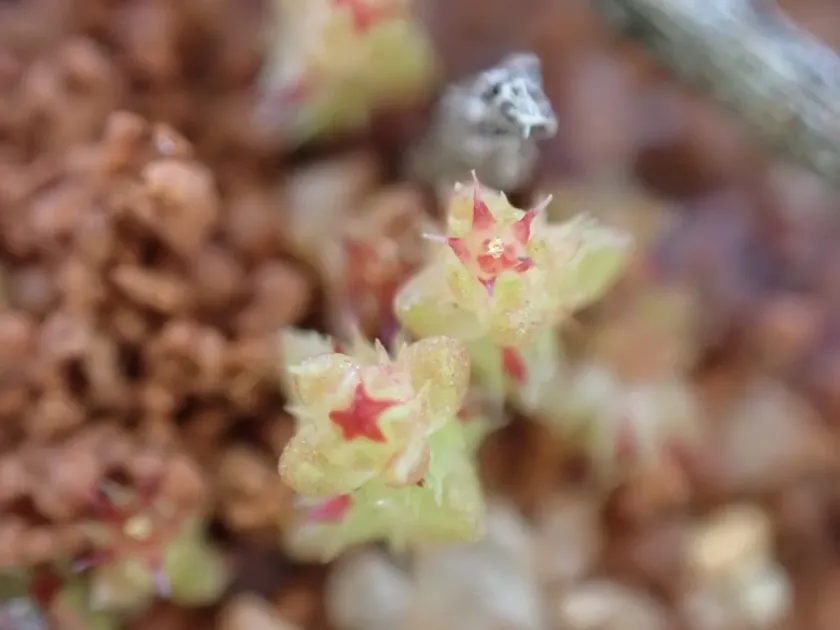
Description
Growing requirements
Crassula colorata is a succulent annual belonging to the Crassulaceae family, naturally occurring in arid regions of Australia.
The plant is characterized by its compact habit and fleshy foliage, which often takes on distinct reddish tones due to pigment concentration under high light exposure.
Successful cultivation requires soil conditions that mimic its native habitat, specifically focusing on highly permeable sandy substrates with excellent drainage.
Climatic requirements involve high solar intensity and warm temperatures, as the plant possesses a low tolerance for frost and prolonged periods of high humidity.
In terms of agricultural and horticultural use, it is a specialized crop for xeriscaping and drought-resistant ornamental plantings in mild climate zones.
Main diseases and pests
The primary agricultural threat to this species is root rot, which typically stems from overwatering or inadequate soil aeration systems.
Pest management should focus on monitoring for mealybugs, which frequently colonize the tight leaf clusters and drain the plant's resources.
Spider mites represent another common threat in indoor or greenhouse cultivation, particularly when humidity levels remain consistently low.
Fungal infections can quickly compromise the plant's structure; therefore, maintaining dry foliage surface and good airflow is critical for health.
Regular inspection of the root zone and immediate isolation of infested specimens are the most effective strategies for maintaining crop health.