
Crassula capensis
Crassula capensis
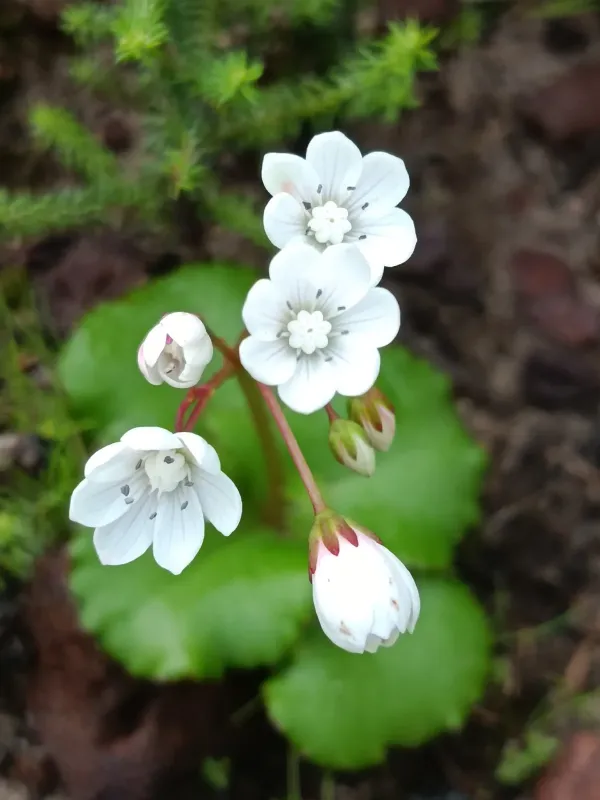
Description
Sowing dates
Propagation of Crassula capensis in cultivation is primarily carried out through seeds or leaf cuttings. The optimal time for sowing is during the spring season, when the daylight hours begin to increase, which is highly beneficial for germination rates.
Seeds are sown in a well-drained, loose substrate consisting of a mixture of sand, perlite, and potting soil. The depth of sowing must be minimal, as the seeds are very small and require placement near the surface to ensure proper germination.
To maintain a stable moisture level, seed trays are covered with transparent film or glass. Daily ventilation of the trays is a mandatory agronomic procedure to prevent the development of mold and rot during the initial stages of growth.
The temperature regime during the germination phase should be maintained between 20–24 degrees Celsius. Pricking out seedlings into individual containers is performed after the first pair of true leaves forms, ensuring the development of a robust root system.
Using grow lights to provide additional lighting for seedlings prevents etiolation and ensures the formation of a compact rosette, which is critical for the long-term development and aesthetic value of this culture.
Growing requirements
Crassula capensis belongs to the Crassulaceae family and is a low-growing herbaceous plant with a distinct succulent structure. In its natural habitat, it is found primarily in South Africa, where it has adapted to specific arid environmental conditions.
The culture is highly demanding regarding lighting and prefers direct sunlight in the morning or bright, diffused light. A lack of insolation leads to stem deformation and the loss of the plant's characteristic dense habit.
The soil environment must possess excellent water and air permeability, as moisture stagnation is fatal to the root system. An ideal substrate has a slightly acidic or neutral reaction, with a high mineral content in the form of fine gravel or agro-perlite.
During the vegetation period, the plant requires moderate watering, applied strictly after the soil ball has dried out completely. In the winter dormancy period, watering is minimized to once a month to prevent chilling of the roots in a moist environment.
Optimal temperature ranges for active growth are between 18–25 degrees Celsius, although the plant can tolerate short-term fluctuations provided that a dry maintenance regime is strictly followed.
Main diseases and pests
The main threat to Crassula capensis is root and stem rot caused by systematic overwatering of the substrate. Infection by fungal pathogens often becomes an irreversible process, leading to the death of the plant.
- Mealybugs: form a white cotton-like coating on the stems.
- Spider mites: appear when the indoor air is excessively dry.
- Root mealybugs: hidden pests attacking the underground part of the plant.
- Scale insects: suck sap from the leaves, leaving characteristic spots.
Pest control involves the use of systemic insecticides and acaricides applied at the first sign of infestation. Prevention consists of maintaining cultivation hygiene and regular inspection of the plants.
To prevent the spread of infections, only sterilized soil should be used during planting and repotting. If signs of rot appear, the plant is removed from the pot, damaged tissues are excised, and the cuts are treated with fungicides.