
Crassula biplanata
Crassula biplanata
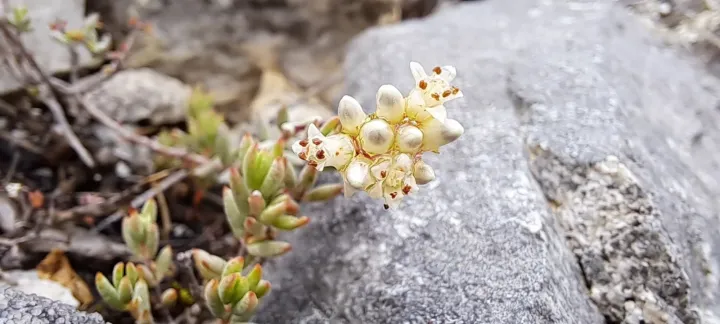
Description
Growing requirements
Crassula biplanata is a distinctive succulent species within the Crassulaceae family. It is native to arid environments in South Africa, where it has evolved to thrive in rocky terrain and minimal water conditions, reflecting its high drought tolerance.
The botanical structure of this species features compact, stacked leaves that grow in opposing pairs along the stem. This unique arrangement minimizes surface area exposure, helping the plant retain moisture during periods of intense heat and prolonged dry spells.
To cultivate Crassula biplanata successfully, it is essential to provide bright, indirect sunlight. In greenhouse environments, ensuring adequate ventilation is critical to prevent fungal issues and maintain the plant's structural integrity.
The soil requirements focus on rapid drainage. An ideal medium consists of a grit-heavy mix, including pumice, perlite, and a small amount of sandy loam. Using pots with large drainage holes is a non-negotiable aspect of its professional cultivation.
Temperature management should mimic its native climate. The plant is sensitive to frost and excess humidity, requiring a well-defined winter rest period where watering is significantly reduced to prepare the plant for its spring growth cycle.