
Crassula barklyi
Crassula barklyi
Description
Growing requirements
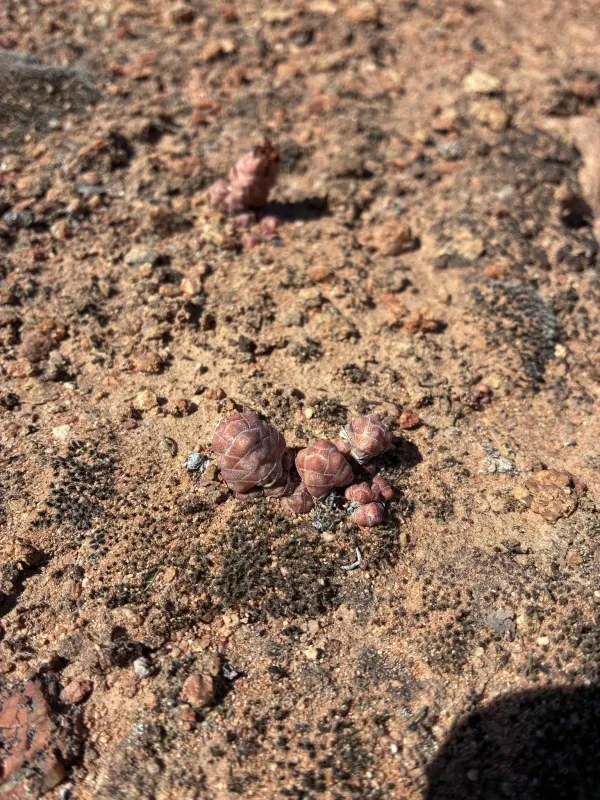
Crassula barklyi is a distinct species within the Crassulaceae family, widely known for its peculiar architecture. Native to the arid environments of South Africa, it has evolved to thrive in challenging, nutrient-poor, and dry conditions.
Botanically, it is classified as a dwarf succulent that forms dense, column-like stalks. Its leaves are imbricated, meaning they overlap tightly like scales, which serves as a natural defense mechanism against intense solar radiation and dehydration.
To cultivate this species successfully, provide bright, filtered light. While it loves the sun, intense direct light in the middle of the day can cause leaf scorching, so light shading is often beneficial during the hottest summer months.
The soil must be inorganic-heavy and extremely porous. A mixture consisting of 60% grit or pumice and 40% sandy loam is ideal to ensure that excess water drains away instantly, preventing any risk of root suffocating.
Temperature management is crucial: during the active growing season, standard room temperatures are appropriate. However, a significant drop in temperature during the winter dormant phase is necessary to stimulate healthy spring growth cycles.
Main diseases and pests
The most significant threat to Crassula barklyi is overwatering. Excessive moisture trapped in the soil leads to rapid fungal decay, commonly starting at the root crown and quickly spreading throughout the entire stem.
Mealybugs are the most persistent pest for this specific plant. Due to the tight leaf structure, these pests find ample hiding spots in the crevices of the "scales," making them difficult to target with traditional spray treatments.
Root aphids can also be an issue if the plant is grown in contaminated soil. They feed on the root system, causing a sudden loss of plant vitality which is often misidentified as simple drought stress by inexperienced growers.
To manage pest infestations, systematic insecticides applied via a soft brush into the leaf axils are recommended. Regular visual inspections are vital, as the plant’s tight structure makes it an ideal refuge for hidden pests.
Maintaining a dry environment with good air circulation helps prevent most fungal pathogens. Always ensure the pot has drainage holes and avoid using decorative pots that trap moisture at the base of the plant.