
Crassula alba
Crassula alba
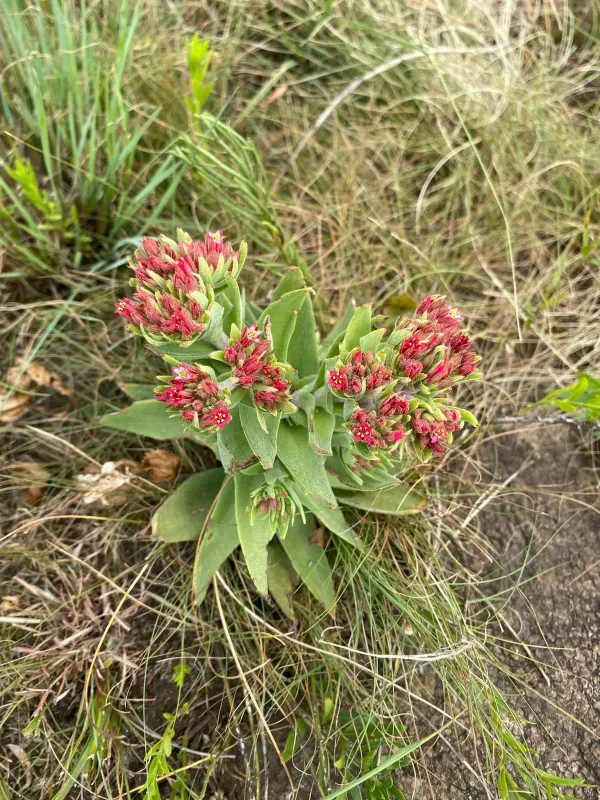
Description
Sowing dates
Sowing Crassula alba seeds is best performed during the early spring months when light levels begin to rise, supporting optimal germination rates. Using a high-quality, fine-textured substrate designed for succulents is crucial for seed success.
The seeds should be spread thinly across the surface of the soil, ensuring they remain exposed to light. A light misting is used to settle the seeds without burying them too deeply, as they require light to initiate the germination process.
Maintaining a constant humidity level is essential during the first weeks, which is achieved by covering the sowing container with glass or plastic. Temperature should be consistently held between 20 and 24 degrees Celsius to ensure even growth.
Daily ventilation of the nursery container is a mandatory agronomic practice to prevent the build-up of moisture and the subsequent development of damp-off fungi. Gradual acclimation to lower humidity occurs once the first true leaves emerge.
Seedlings are transferred to individual, well-draining pots once they reach a size sufficient for handling. This careful transition period allows the root system to establish itself within a coarser soil mix, promoting healthy, structural development.
Growing requirements
Crassula alba thrives in bright, indirect light conditions, requiring several hours of light daily to maintain its compact, healthy form. While it enjoys sunlight, it must be protected from harsh, direct exposure during the summer peak hours.
The optimal temperature range for this species is 20–25 degrees Celsius during the growing season. During the winter months, a cooler period with temperatures around 12–15 degrees encourages the plant to enter its natural dormancy.
Soil requirements are centered on drainage; a mixture containing grit, perlite, and organic peat is ideal. The plant is highly sensitive to waterlogged conditions, which can lead to quick degradation of the delicate feeder roots.
Irrigation practices follow the soak-and-dry method, where the soil is allowed to dry out completely before the next watering session. This mimics the plant's natural arid habitat and is the best strategy to prevent rot-related disorders.
Fertilization should be kept to a minimum, using balanced, low-nitrogen liquid plant food only during active growth. Over-fertilization can result in weak, elongated stems that lose the typical aesthetic character of the Crassula genus.
Main diseases and pests
Mealybugs are the most common pest associated with Crassula alba, often hiding in the crevices between leaves. Regular inspection of the plant's crown is necessary for early detection and immediate physical removal or treatment.
Spider mites can also become a problem in environments with low airflow and extremely high temperatures. Their presence is usually signaled by fine webbing and discoloration of the leaf surfaces, requiring prompt action with acaricides.
Root rot remains the most significant physiological threat to Crassula alba, usually triggered by poor drainage or over-watering. Once the root system is compromised, recovery is difficult and often requires aggressive pruning of healthy stems for cuttings.
Preventing disease involves strict hygiene in the cultivation environment, including the sterilization of tools and pots. Keeping the foliage dry and ensuring adequate spacing between plants improves air circulation and prevents bacterial infections.
Physical damage to the leaves can also invite fungal pathogens into the plant tissues. If leaves are damaged during handling, the affected area should be monitored, and if symptoms of rot appear, the affected section must be surgically removed.