
Winged Crassula
Crassula alata
Description
Growing requirements
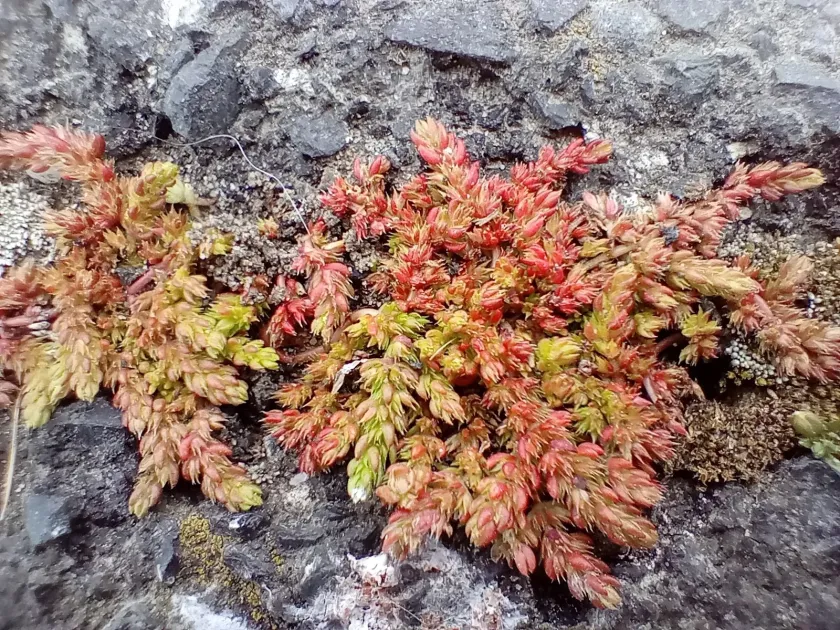
Winged Crassula (Crassula alata) is a small annual succulent plant belonging to the Crassulaceae family. It is specifically adapted to arid environments, featuring succulent leaves that serve as water storage organs during prolonged dry spells in its native habitats.
The species is primarily distributed across the Mediterranean region, Africa, and parts of Asia. It thrives in open landscapes with sandy, well-draining soils, which allows it to survive in locations where other vegetation struggles due to lack of nutrients.
Environmental requirements for this species include high light intensity, as it is a sun-loving plant. Insufficient lighting leads to etiolation, where the plant grows weak and leggy, significantly reducing its overall resilience to environmental stressors.
The soil profile must be extremely porous to ensure optimal oxygen exchange in the root zone. A mix of sand, grit, and minimal organic matter is ideal, as the plant is highly susceptible to root decay if the substrate remains saturated for extended periods.
Climate requirements involve warm temperatures, ideally between 18 and 26 degrees Celsius. Because it is an annual species, the lifecycle is closely tied to seasonal precipitation patterns, requiring moderate moisture during the germination phase followed by a dry period.
Main diseases and pests
The primary threats to Crassula alata are fungal diseases, most notably root and crown rot, which are triggered by waterlogging and poor soil aeration. These infections can destroy a plant population in a matter of days if conditions are not corrected.
Pests such as mealybugs represent a significant problem, as they tend to nest in the leaf axils and stems. These insects weaken the plant by extracting essential fluids, leaving behind sticky residues that can further encourage secondary fungal growth.
Spider mites are another common pest that thrives in dry, stagnant air conditions. Their feeding causes fine yellow stippling on the leaves, which eventually leads to the tissue turning brown and dying if the infestation is not addressed.
Inadequate airflow can also promote the growth of powdery mildew on the foliage. While this is less common in arid outdoor settings, it can be a persistent issue in greenhouse environments with high humidity levels.
Proactive management includes regular monitoring of plant health, ensuring proper spacing between individuals to improve circulation, and maintaining a strict, dry-cycle irrigation schedule to minimize the risk of pathogen outbreaks.