
Cotyledon oblonga
Cotyledon oblonga
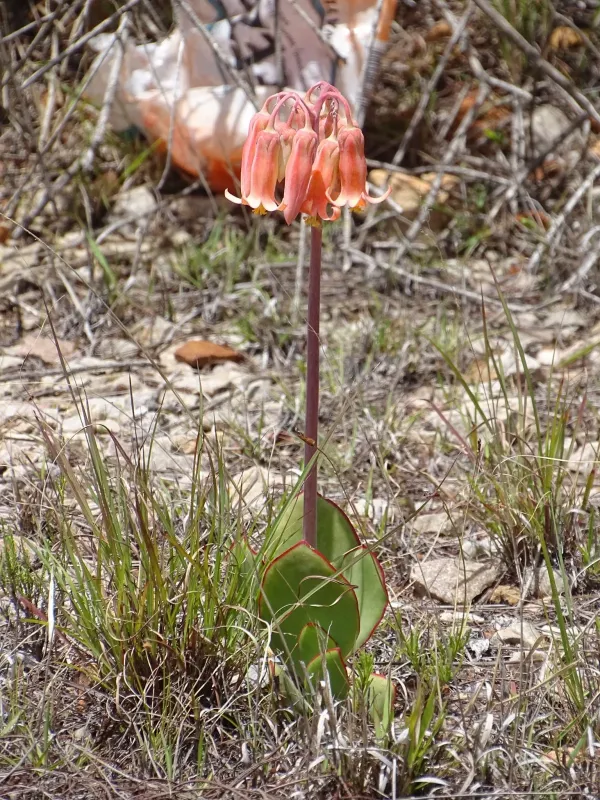
Description
Sowing dates
Propagation of this culture is most efficiently carried out vegetatively, as the seed method is complex and requires specific conditions. Cuttings should be taken during the active growth phase in spring and summer.
A lightweight, well-draining substrate with a high sand content is necessary for successful rooting. It is essential to let the cuttings air-dry for a couple of days before planting to prevent rot.
Seeds should be sown in early spring in shallow containers filled with moist, sandy soil. They should not be buried deep, but rather just lightly covered with a fine layer of the medium.
Maintaining a stable temperature between 20 and 25 degrees Celsius is critical for germination. Covering the container with glass or plastic helps to create the required humid microclimate.
Seedlings should be transplanted into individual pots with excellent aeration as soon as they develop their first two sets of true leaves to ensure continued growth.
Growing requirements
Cotyledon oblonga is a member of the Crassulaceae family and requires intense, bright sunlight to maintain its structural integrity. South-facing windows are ideal for ensuring proper light exposure.
The soil must be highly permeable to both water and air. Professional cactus or succulent mixes, supplemented with extra perlite or fine gravel, are recommended for optimal performance.
During the summer months, keep the temperature between 22 and 28 degrees Celsius. In winter, provide a dormant period with temperatures between 12 and 15 degrees to encourage blooming.
Watering should be sparse and provided only after the soil has completely dried out. Standing water is extremely harmful and can quickly lead to lethal root rot infections.
The plant does not require specific humidity levels, as it is naturally adapted to arid environments and does not benefit from regular misting or spraying.
Main diseases and pests
Fungal diseases caused by excessive moisture and poor ventilation are the primary threats to the health of this succulent. Root rot is the most common cause of plant failure.
Mealybugs are the most common pests, often hiding in leaf axils. If detected, infested areas should be treated with alcohol-based solutions or appropriate systemic insecticides.
Spider mites can also attack the plant, particularly during winter months when indoor air becomes excessively dry. Inspecting the leaves regularly is key to early detection.
Scale insects can damage the stems by feeding on plant juices. Maintaining cleanliness in the growing area and avoiding overcrowding help to minimize these risks significantly.
Implementing a two-week quarantine period for any new plants introduced to your collection is a best practice to prevent the accidental spread of pests and diseases.