
Chiastophyllum oppositifolium
Chiastophyllum oppositifolium
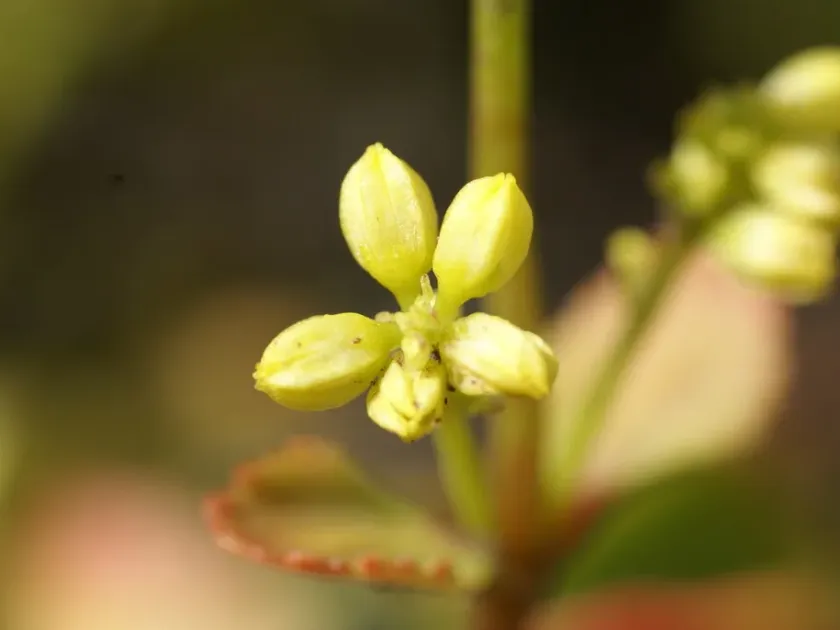
Description
Sowing dates
The sowing of Chiastophyllum oppositifolium is typically carried out in early spring, once the soil temperature consistently reaches about 15–18 degrees Celsius.
Seeds should be sown on the surface of a moist, well-draining substrate; they require light to germinate effectively and should not be covered with a thick soil layer.
For best results, seeds can be started in trays indoors during March, providing them with a stable environment and bright, indirect light before transplanting.
When sowing directly into the ground, late April is the optimal time, ensuring that the soil is kept consistently moist but not waterlogged during the germination phase.
Transplanting seedlings to their permanent location is recommended only after the plants have developed a sufficiently strong root system and are no longer fragile.
Growing requirements
Chiastophyllum oppositifolium is a member of the Crassulaceae family, naturally occurring in the rocky areas of the Caucasus, which dictates its preference for mineral-rich soils.
The plant thrives in well-draining, slightly acidic or neutral soil mixtures that include gravel, mimicking its natural mountainous habitat for healthy development.
It prefers semi-shaded areas; while it can tolerate some sun, excessive exposure to direct rays can burn its succulent leaves and diminish its overall aesthetic appeal.
Regular irrigation is essential for maintaining leaf turgor, but extreme caution must be exercised to prevent waterlogging, which often leads to root decay in succulent species.
Although it is relatively cold-hardy, in regions with severe winters, the plants should be protected with organic mulch to insulate the roots from extreme freezing temperatures.
Main diseases and pests
Fungal pathogens are the primary threat to this crop, particularly in environments where humidity is high and airflow is restricted, leading to rapid tissue breakdown.
Root rot is the most common disease encountered, typically occurring as a result of poor soil drainage or over-irrigation during periods of lower temperatures.
Gastropods such as slugs and snails represent the main pest threat, as they are attracted to the succulent, moisture-rich leaves, causing significant structural damage.
Maintenance practices, such as ensuring adequate spacing between plants and keeping the surrounding area free of debris, are critical for minimizing pest and disease pressure.
If an infestation or infection is spotted, integrated pest management practices, including the use of appropriate molluscicides or fungicides, should be applied immediately.