
Chiastophyllum
Chiastophyllum
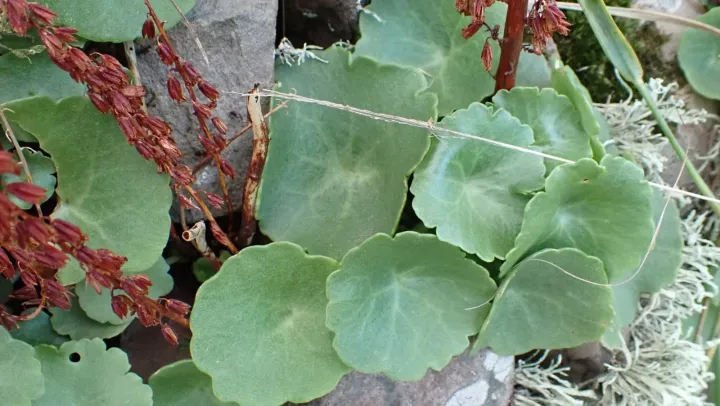
Description
Growing requirements
Chiastophyllum is a monotypic genus of perennial succulent plants belonging to the Crassulaceae family. The most prominent species, Chiastophyllum oppositifolium, is native to the rocky regions of the Caucasus, where it grows in cool, shaded crevices.
This culture thrives in semi-shaded areas with well-drained, porous soil. It is an excellent choice for rock gardens and north-facing walls, where it can display its unique, drooping golden racemes of flowers.
Botanically, it features thick, fleshy leaves arranged in rosettes, providing a sculptural appearance throughout the season. The plant typically reaches a height of 15–30 centimeters and spreads slowly via its root system.
Regarding soil requirements, Chiastophyllum demands a gritty, mineral-rich substrate with a neutral to slightly alkaline pH. It does not tolerate heavy, waterlogged clay soils, which promote root rot.
Maintenance is minimal, as the plant is well-adapted to sparse, stony environments. It requires moderate moisture during the growing season but should be allowed to dry out significantly during dormant periods.
Main diseases and pests
The primary threats to Chiastophyllum are related to excessive moisture, which leads to fungal infections. Root rot and crown rot are the most common fatal issues if drainage is not managed correctly.
Garden pests such as slugs and snails are a major concern, as they find the fleshy, succulent leaves highly palatable. Barriers like gravel or organic deterrents are usually recommended to protect the plants.
Aphids can occasionally target the tender flowering stalks during the spring months. These should be monitored closely, especially when the weather is warm and dry.
In humid conditions, fungal spotting may appear on the foliage. Proper spacing and ensuring good airflow around the rosettes are essential for maintaining plant health.
Generally, keeping the crown of the plant dry and ensuring the root zone has excellent aeration is sufficient to prevent most common diseases and pest infestations.