
Tradescantia wrightii
Tradescantia wrightii
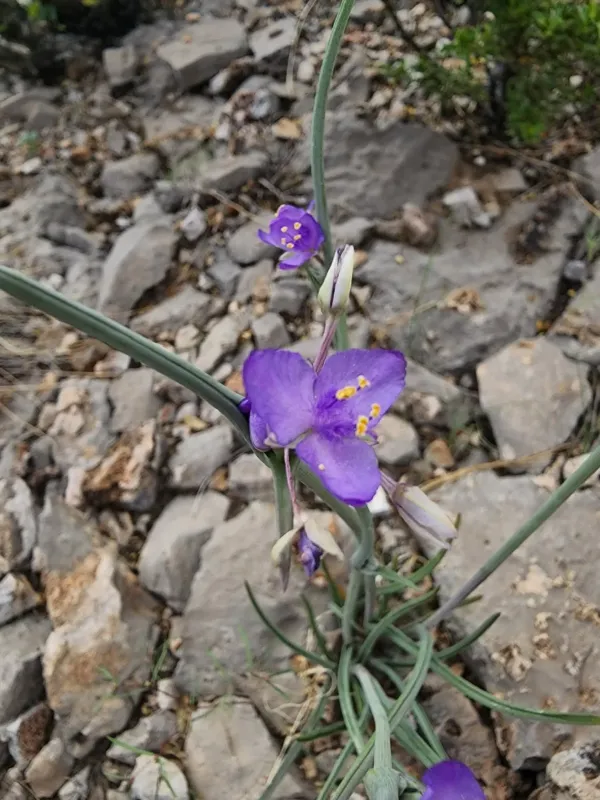
Description
Growing requirements
Tradescantia wrightii is a hardy perennial belonging to the Commelinaceae family, naturally occurring in arid and rocky regions of the southwestern United States and Mexico.
The plant is biologically characterized by succulent-like stems that allow it to thrive in environments with irregular rainfall and significant sun exposure.
Cultivation success relies heavily on replicating its native habitat conditions, primarily by ensuring excellent soil drainage and high light intensity.
It performs best in alkaline or neutral substrates, making it an ideal choice for rock gardens where moisture control is manageable and sunlight is abundant.
Maintenance of this crop involves minimal watering, as established plants demonstrate a high level of tolerance to arid conditions once their root systems are developed.
Main diseases and pests
The primary threat to the health of Tradescantia wrightii is root rot, which typically occurs due to excessive irrigation or poor drainage in the potting medium.
Common pests include spider mites and mealybugs, which are particularly attracted to the soft tissues of the plant under warm and dry conditions.
Prevention of fungal pathogens is achieved by ensuring proper spacing between plants to facilitate consistent airflow around the foliage.
In cases of infestation, the use of targeted horticultural soaps or mild insecticides is recommended to manage pest populations without damaging the plant.
Regular inspection of the leaf axils is crucial, as this is where pests typically cluster before spreading to the broader stems of the plant.