
Palisota
Palisota
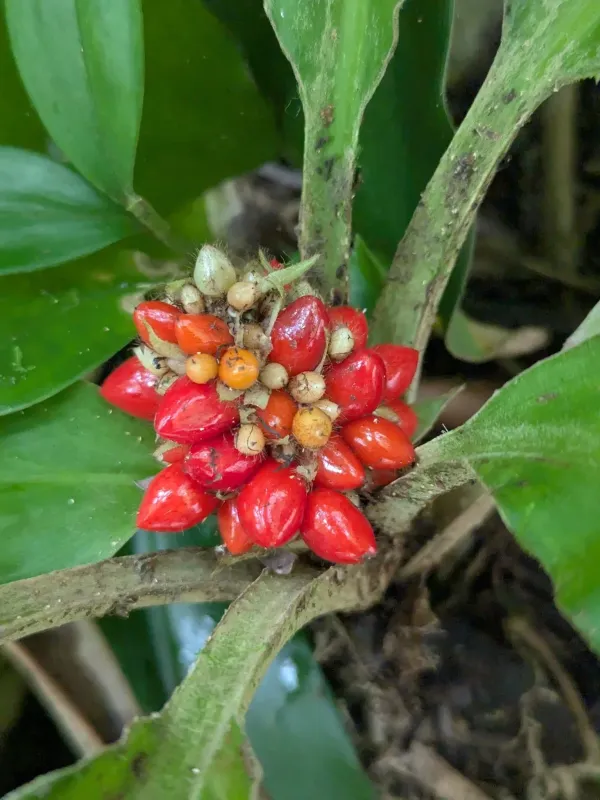
Description
Growing requirements
Palisota is a genus of perennial herbaceous plants belonging to the Commelinaceae family. Native to the tropical regions of Africa, these plants are adapted to growing in the understory of dense rainforests.
The plant thrives in stable temperatures ranging from 20 to 25 degrees Celsius. It is essential to avoid extreme cold and sudden temperature drops, which can severely damage the foliage and stunt growth.
Light requirements for Palisota involve bright, indirect light. Direct sunlight can scorch the broad, lush leaves, making it necessary to provide shade or filtered light throughout the day.
The soil should be well-draining, rich in organic matter, and slightly acidic. A mix consisting of peat, leaf mold, and perlite or coarse sand is ideal to ensure proper root aeration and prevent compaction.
Maintaining high humidity is crucial for the health of this plant. Regular misting and the use of pebble trays help create a microclimate similar to their native tropical habitat.
Main diseases and pests
Palisota is susceptible to common houseplant pests, primarily spider mites and scale insects, which often appear when the air humidity drops below the required levels.
Root rot is the most common pathology, typically caused by overwatering or poor drainage. Symptoms include wilting leaves and dark, mushy spots near the base of the plant.
Proper sanitation, including the removal of dead or decaying plant material, is essential to prevent the spread of fungal and bacterial infections in the growing area.
Integrated pest management strategies, such as using neem oil or insecticidal soaps, are recommended for controlling infestations without harming the plant's delicate tissues.
Ensuring proper ventilation around the foliage helps to prevent moisture accumulation and reduces the risk of fungal spot diseases during the dormant or winter season.