
Murdannia versicolor
Murdannia versicolor
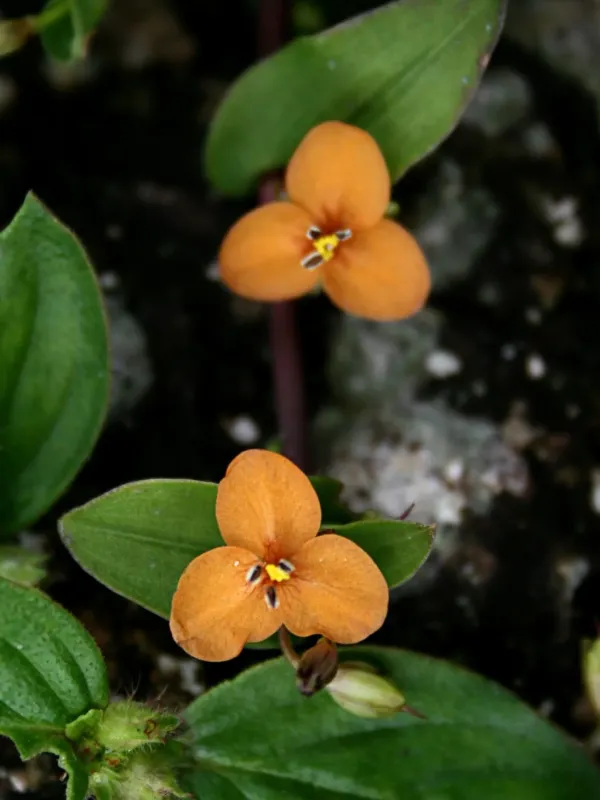
Description
Growing requirements
Murdannia versicolor is a perennial herbaceous plant belonging to the Commelinaceae family. It is native to tropical and subtropical regions of Asia, typically found in shaded, humid habitats such as forest floors and riparian zones.
The plant is characterized by succulent-like stems and lanceolate foliage that exhibits a distinct color transition based on light exposure. This physiological feature makes it a popular subject for ornamental plant enthusiasts interested in leaf color variation.
For optimal growth, the species requires a warm environment with temperatures consistently between 20°C and 28°C. It is highly sensitive to frost and cool drafts, which necessitates cultivation in protected environments in temperate climate zones.
Soil requirements involve a well-draining, humus-rich substrate with slightly acidic to neutral pH. Proper aeration is crucial to prevent root asphyxiation, as the roots are adapted to moist but oxygenated environments rather than waterlogged soil.
Economically, Murdannia versicolor serves primarily as an ornamental crop. It is widely utilized in professional landscaping for indoor conservatories, botanical gardens, and private collections, where its unique growth habit adds structural diversity.
Main diseases and pests
The primary threats to this culture are fungal pathogens, specifically those causing root and stem rot. These issues are almost exclusively associated with improper watering practices and inadequate substrate drainage.
Pest management should focus on preventing outbreaks of spider mites and mealybugs, which are the most common pests in indoor cultivation. These pests thrive in low-humidity conditions and can severely damage the foliage.
Aphids can occasionally infest tender new shoots, causing stunted growth and leaf distortion. Regular monitoring of the growing tips is advised to detect early signs of infestation and apply localized control measures.
Failure to provide adequate light causes the plant to become etiolated, resulting in weak, elongated stems that are more susceptible to physical damage and disease. Balanced lighting is essential for maintaining plant vigor.
Integrated pest management, including regular inspection and maintaining optimal humidity, is the most effective approach for this species. Chemical treatments should be reserved for severe cases and applied according to the manufacturer's safety instructions.