
Murdannia spirata
Murdannia spirata
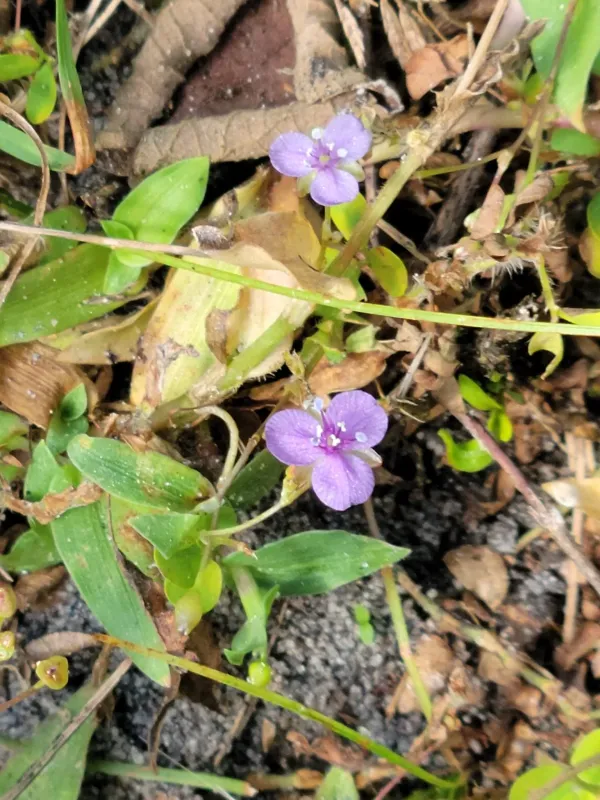
Description
Growing requirements
Murdannia spirata is a perennial herbaceous plant belonging to the Commelinaceae family. Native to tropical and subtropical regions of Asia, it is primarily found in wetland habitats, riverbanks, and shaded areas where soil moisture remains consistently high throughout the season.
The plant exhibits a creeping growth habit, frequently rooting at the stem nodes, which allows it to form dense mats under favorable conditions. Its botanical structure features linear leaves and small, distinctively arranged flowers that grow in a spiral pattern along the inflorescence.
Agricultural requirements for this species focus heavily on maintaining high humidity levels and preventing substrate dehydration. It thrives best in loose, well-draining soil mixes enriched with organic compost, mimicking its natural forest floor environment.
The crop does not tolerate direct, intense sunlight, which necessitates the use of shade cloth or greenhouse conditions to prevent leaf desiccation. Stable thermal conditions are essential, as the species is highly sensitive to cold snaps that can inhibit physiological development.
Beyond its botanical interest, Murdannia spirata is valued in several regions for its pharmacological properties in traditional medicine. Its aesthetic, delicate foliage also makes it a suitable candidate for use in specialized indoor horticultural setups and terrariums.
Main diseases and pests
The most significant threats to the cultivation of Murdannia spirata involve fungal pathogens triggered by poor air circulation and excessive moisture. Root rot is a common issue that can lead to rapid decline if irrigation management is not strictly controlled.
Pest management is primarily focused on controlling spider mites and mealybugs, which exploit the plant's succulent tissues. These pests can rapidly colonize dense growth, leading to yellowing leaves and reduced vigor of the entire crop.
Implementing effective preventive measures, such as proper spacing and regular sanitation of the growing area, is crucial. Ensuring adequate airflow helps to mitigate the development of mold and fungus on the lower stem segments.
When infestation occurs, soft contact insecticides or biological control agents are preferred to preserve the medicinal quality of the plant tissue. Harsh chemical treatments should be avoided to prevent residue accumulation on the foliage.
Monitoring for early signs of stress, such as leaf drop or uneven discoloration, is the most effective way to prevent catastrophic crop losses. Regular inspection of the root zone and stem base is recommended as part of the standard agricultural protocol.