
Murdannia
Murdannia
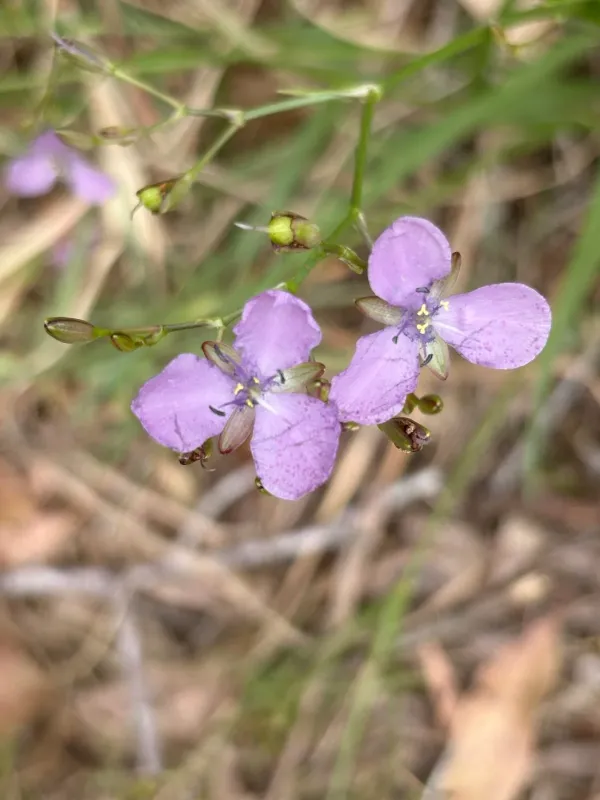
Description
Sowing dates
Murdannia is a genus within the Commelinaceae family, predominantly consisting of tropical perennial plants that are often cultivated as annuals in temperate regions. Sowing should commence once the soil temperature is consistently above 20 degrees Celsius to ensure rapid germination.
For outdoor cultivation, seeds are sown in late spring after the risk of frost has passed. Planting depth should be kept shallow, approximately 1 to 2 centimeters, allowing the seeds access to enough light to stimulate the biological processes required for growth.
Seedlings develop slowly during the initial weeks, requiring careful moisture management and weed control to avoid competition. Using pre-warmed soil or starting seeds indoors in early spring can provide a significant advantage in areas with shorter growing seasons.
Row spacing should be maintained at about 40 centimeters, with 30 centimeters between plants in the row, to ensure adequate airflow and prevent the development of fungal diseases caused by overcrowded conditions.
Irrigation is critical immediately after sowing to establish a firm root system. Consistent moisture levels must be maintained throughout the entire germination period to prevent the seedlings from drying out before they become fully established.
Growing requirements
Murdannia thrives in conditions that mimic its natural tropical habitat, which implies high humidity and high levels of ambient soil moisture. The crop does not tolerate prolonged drought and requires a consistent irrigation schedule throughout the growing season.
The ideal soil for this crop is loose, well-draining, and rich in organic matter. A neutral or slightly acidic pH level (between 6.0 and 7.0) is preferred, as this allows for optimal nutrient uptake through the root system.
Regarding light, Murdannia prefers bright, indirect sunlight. While it can tolerate partial shade, excessive direct sun during the peak of summer can cause leaf scorch, necessitating the use of shade cloths in intensive agricultural settings.
Temperature management is key; the plant performs best at temperatures ranging from 18 to 28 degrees Celsius. Growth slows significantly if temperatures drop below 15 degrees, and freezing temperatures are lethal to the vegetative parts of the plant.
Nutrient management involves applying balanced, nitrogen-rich fertilizers during the active vegetative stage to promote leaf growth. As the plant approaches its harvest cycle, switching to phosphorus-based fertilizers can enhance the quality of the harvested biomass.
Yield
The yield of Murdannia is primarily measured by the total biomass of the aerial parts, which are valued for their pharmaceutical and traditional medicinal properties. High yields depend on consistent nutrient levels and the absence of environmental stressors.
In optimal conditions, farmers can perform multiple harvest cycles within a single season, as the plant exhibits vigorous regrowth if managed correctly. This high turn-over capacity makes it a potentially lucrative crop for specialized agricultural production.
The biomass quality is largely determined by the timing of the harvest. Farmers aim to collect the foliage just before the onset of flowering, as the plant redirects its nutrient storage toward seed production once blooming begins.
Effective management involves regular pruning or selective cutting of stems, which stimulates further branching and increases the total weight of the harvest. Proper spacing and high-quality soil inputs can increase production significantly compared to wild populations.
The final yield is also impacted by the post-harvest processing efficiency. Minimizing the time between cutting and drying preserves the integrity of the bioactive compounds found in the leaves and stems of the plant.
Main diseases and pests
Murdannia is generally resilient but can be susceptible to fungal infections, particularly powdery mildew, when planted in conditions with poor drainage or excessive humidity. Ensuring good airflow is the most effective way to prevent these issues.
Pests like slugs and snails are significant threats to young Murdannia crops, as they find the tender leaves highly attractive. Farmers often employ physical barriers or integrated pest management strategies to protect the plants during their early growth stages.
Aphids may infest the plant during dry spells, attacking the tips of the new growth. Regular field monitoring is necessary to identify and treat these infestations before they spread across the entire plantation.
Root rot, often caused by waterlogging, can be devastating to a crop. Proper drainage systems and site selection are essential preventive measures to ensure the health of the root system throughout the plant's life cycle.
Routine maintenance, such as removing fallen leaves and ensuring the field is free of invasive weeds, reduces the habitat for potential pests and disease vectors, contributing to a healthier overall crop stand.
Harvesting
Harvesting Murdannia requires a delicate approach due to the brittle nature of its stems. Using sharp, sanitized tools is crucial to make clean cuts that minimize plant stress and reduce the likelihood of introducing pathogens.
The best time to harvest is early in the morning when the plant has maximum turgor. This timing ensures that the gathered biomass is fresh and retains its moisture, which is vital for the subsequent drying or extraction process.
Once harvested, the material should be transported in well-ventilated containers to prevent overheating and premature degradation. Direct sun exposure must be strictly avoided during the transport and preliminary sorting stages.
Post-harvest processing often involves drying the material in temperature-controlled environments. Keeping the temperature below 40 degrees Celsius is standard to prevent the volatile compounds within the plant from breaking down during the drying process.
Proper storage in a dry, dark, and cool environment is necessary to maintain the quality of the dried product until it reaches its final destination. Packaging should be moisture-proof to prevent rehydration and potential spoilage.