
Cyanotis lanata
Cyanotis lanata
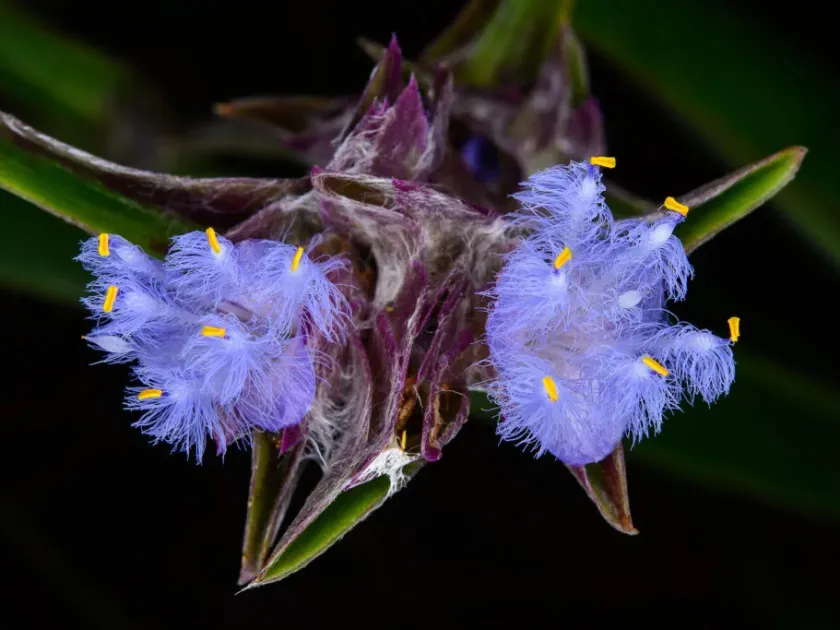
Description
Growing requirements
Cyanotis lanata is a perennial plant belonging to the Commelinaceae family. Native to arid regions of Africa, this species has evolved to thrive in harsh, sun-drenched environments.
The most distinctive botanical feature of the plant is the dense, woolly-like pubescence covering its foliage, which acts as a protective barrier against intense sunlight and desiccation.
When cultivating this crop, it is essential to use a porous, well-draining substrate. A mixture of sandy loam and inorganic aggregates is ideal for preventing water stagnation around the roots.
The plant demonstrates high photophilic requirements; full sunlight or bright filtered light is necessary to maintain its compact growth form and density of its characteristic trichomes.
Regarding climate, it thrives in warm temperatures ranging from 20°C to 28°C. It is highly sensitive to cold, and agricultural practices must ensure protection from temperatures below 10°C.
Main diseases and pests
The main pests affecting Cyanotis lanata include spider mites and mealybugs, which exploit the dense pubescence for shelter and protection from predators.
Pathogenic fungi are a significant threat, particularly in conditions of high atmospheric humidity combined with stagnant air, leading to stem rot and foliage necrosis.
Integrated pest management should focus on early detection. Monitoring the undersides of leaves and the growing tips is crucial for maintaining a healthy crop.
Fungicidal treatments must be applied with caution; water-based solutions should be used to avoid damaging the delicate woolly coating, which is vital for the plant's health.
Sanitation practices are essential: keeping the growing area clean and removing any dead plant material helps to significantly reduce the risk of secondary infections.