
Cyanotis cucullata
Cyanotis cucullata
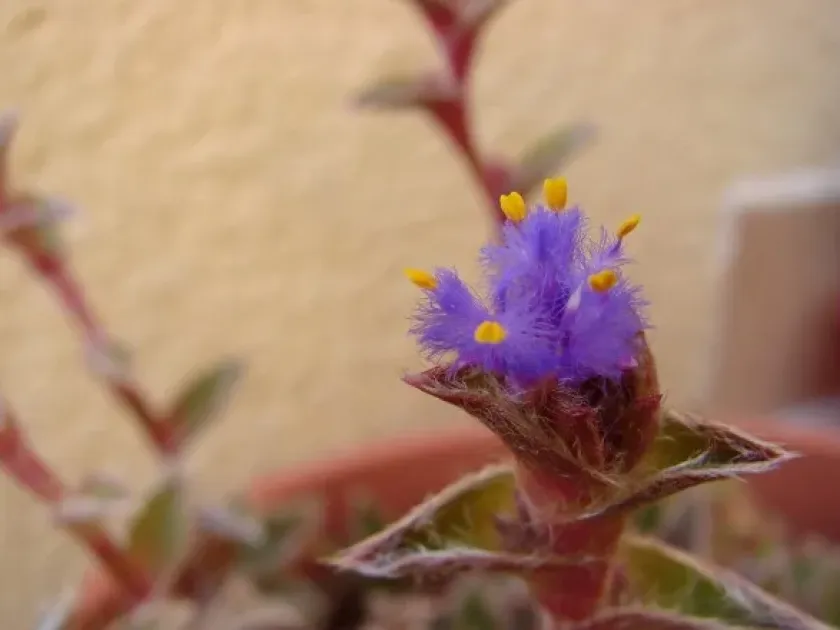
Description
Sowing dates
Cyanotis cucullata, a member of the Commelinaceae family, is a perennial herbaceous plant with specific agricultural requirements. Sowing is typically performed in spring, ensuring the soil temperature remains consistently warm to facilitate uniform germination.
Seeds should be surface-sown on a lightweight, well-draining substrate. Because they require light for successful germination, they should not be covered deeply; a fine dusting of substrate is sufficient to maintain necessary humidity without obstructing light access.
For commercial production, vegetative propagation via cuttings is a highly effective method. Cuttings are taken from healthy, mature stems and placed in a humidified environment until roots develop, usually within two to three weeks.
Strategic density management is essential during the initial stages of growth to prevent overcrowding. Proper spacing allows for adequate airflow, which is critical for the development of strong, disease-resistant plant structures.
Monitoring the photoperiod is important for early-stage development. Providing supplemental lighting in the initial growth phase can significantly improve the quality of the transplants, ensuring they are robust before field or greenhouse placement.
Growing requirements
This crop thrives in fertile, well-drained soils with a pH ranging from 5.5 to 6.5. It is essential to avoid compacted soils that restrict root aeration and contribute to moisture retention issues, which the plant does not tolerate well.
Irrigation practices must be calibrated to maintain consistent soil moisture without creating waterlogged conditions. The plant is sensitive to overwatering, which quickly leads to root decay and physiological stress in the vascular system.
Temperature management is crucial, as Cyanotis cucullata is a tropical to subtropical plant. It performs optimally at temperatures between 18 and 28 degrees Celsius; temperatures below 10 degrees Celsius can significantly stunt growth or cause necrosis.
Nutritional needs are best met through balanced fertilization programs. During the rapid growth phase, nitrogen-heavy fertilizers support vegetative spread, while phosphorus and potassium are essential for long-term health and stress resistance.
Maintaining high relative humidity levels, ideally between 60% and 75%, ensures the plant retains its vigor and leaf turgor. In greenhouse environments, this is achieved through humidity control systems or misting during the hottest parts of the day.
Main diseases and pests
Common pests affecting Cyanotis cucullata include spider mites and mealybugs. These organisms can cause extensive damage to leaf tissue, resulting in chlorosis and overall plant weakening if left unmonitored or untreated.
Fungal infections, particularly root rot caused by species like Rhizoctonia, pose a major threat. These diseases are exacerbated by high soil moisture levels and poor drainage, making sanitation and preventative watering critical.
Leaf spot pathogens can spread quickly under conditions of poor ventilation. Management strategies include maintaining proper spacing between plants and using systemic fungicides at the first sign of symptoms to halt disease progression.
Integrated Pest Management (IPM) is highly recommended for this crop. By utilizing natural predators for mite control and applying targeted biopesticides, growers can effectively manage pest populations while maintaining environmental safety.
Regular sanitation of tools and cultivation surfaces is the most effective way to prevent the transmission of viral and fungal agents. Removing infected plant debris immediately is a mandatory step in preserving the overall health of the crop cycle.