
Commelina tuberosa
Commelina tuberosa
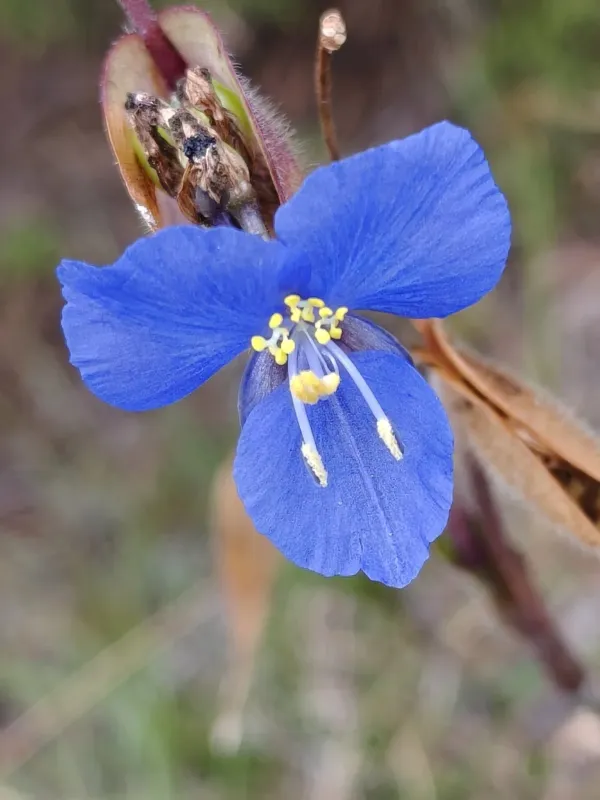
Description
Sowing dates
Planting of Commelina tuberosa should ideally occur in the spring, once the threat of frost has passed and the soil temperature has reached at least 12 degrees Celsius.
Propagation is typically achieved through the division of tuberous roots, which can be pre-germinated indoors to ensure a vigorous start in the garden.
The tubers should be planted at a depth of approximately 5 to 8 centimeters in well-draining, loose soil to prevent root compaction and suffocation.
For those using seeds, stratification is often necessary to break dormancy, making fall sowing in cold frames a preferred method for better germination rates.
Spacing is critical for this species; maintaining a distance of 30 to 40 centimeters between plants promotes healthy airflow and reduces the risk of fungal infections.
Growing requirements
This crop thrives in sunny locations that provide protection from strong winds, although it can tolerate partial shade in warmer climate zones.
The ideal soil is rich in organic matter, slightly acidic to neutral, and possesses excellent drainage properties to support the development of tubers.
Commelina tuberosa has high water requirements during its active growing season, but it is extremely sensitive to waterlogged conditions, which lead to rot.
Regular irrigation is essential, especially during dry spells, to keep the soil consistently moist but not saturated, ensuring optimal tuber weight gain.
Fertilization should be balanced, focusing on promoting root health rather than excessive foliage growth, using compost or light mineral supplements.
Main diseases and pests
Fungal diseases are the primary concern for this crop, often exacerbated by high humidity levels and poor soil aeration during the summer months.
Spider mites and aphids are the most common pests that can significantly weaken the plant by feeding on the nutrient-rich sap of the foliage.
Nematode infestations can severely impact the quality of the tubers, making strict adherence to crop rotation and soil sanitation protocols mandatory.
Slugs and snails frequently target young sprouts, necessitating vigilant monitoring and the use of physical barriers or organic deterrents early in the season.
Maintaining a clean garden environment by removing decaying plant matter is the most effective way to prevent the overwintering of pathogens.
Harvesting
Harvesting should take place in late autumn after the first frost, which signals the plant to go dormant and allows nutrients to store within the tubers.
Garden forks are the preferred tool for lifting the tubers, as they reduce the risk of accidental cuts and bruises that could lead to storage rot.
Post-harvest, the tubers require a curing period in a cool, shaded, and well-ventilated area to allow their skins to harden before being stored for winter.
The tubers should be stored in boxes filled with dry sand or peat moss, kept in a cool environment (5–8 degrees Celsius) to remain dormant until spring.
While often grown for its aesthetic value in ornamental gardens, the tubers have historically been recognized in various regions for their unique starch properties.