
Commelina subulata
Commelina subulata
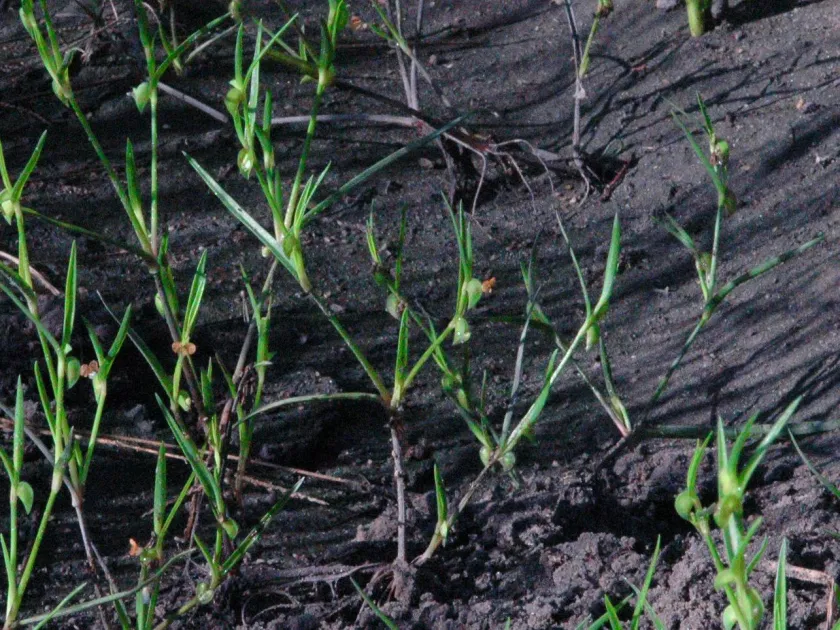
Description
Sowing dates
Sowing Commelina subulata is primarily conducted in early spring to ensure a long vegetation period. For optimal results, seeds should be sown in a greenhouse or seed trays filled with a loose, well-draining substrate to promote healthy root development.
Direct outdoor sowing is recommended only after the soil temperature reaches at least 15 degrees Celsius. This plant is highly sensitive to frost, so timing is critical to ensure that seedlings are established before the onset of any potential cold weather.
Seeds should be covered with a very thin layer of soil as they require light to germinate effectively. Maintaining consistent surface moisture is vital during the first two weeks, as the seeds are prone to drying out during the delicate germination phase.
For commercial production, vegetative propagation through cuttings is often preferred as it guarantees uniformity in plant development. Cuttings should be taken from vigorous, disease-free stems and placed in a moist medium with high humidity.
Strategic spacing is necessary to facilitate future field maintenance. Proper density allows for adequate light penetration and airflow, which are essential for minimizing the risk of fungal outbreaks in the later stages of growth.
Growing requirements
Commelina subulata thrives in environments that mimic its natural tropical origins. It requires bright, indirect sunlight to maintain its vibrant appearance and structural integrity, as intense direct midday sun can often scorch the foliage.
The soil must be rich in organic matter and possess excellent drainage properties. While the plant appreciates consistent moisture, it is highly susceptible to root rot if left in standing water, making proper soil structure a primary agronomic requirement.
Temperature management is crucial, with the ideal range being between 18 and 26 degrees Celsius. Exposure to temperatures below 10 degrees often results in significant physiological stress, stunting growth and reducing the plant's overall biomass.
Fertilization should be balanced, with a focus on nitrogen during the initial growth phase and increased potassium levels as the plant matures. Applying liquid fertilizers every two weeks during the peak growing season ensures optimal productivity.
Environmental humidity plays a significant role in the plant's health. In dry climates, supplemental irrigation or misting may be necessary to keep the foliage lush, though care must be taken to avoid wet conditions that invite opportunistic pathogens.
Main diseases and pests
The most common pests affecting Commelina subulata include aphids and spider mites. These small insects congregate on the underside of leaves, causing yellowing and weakening the plant through the extraction of vital plant fluids.
Fungal diseases such as powdery mildew present a constant threat, especially in areas with poor ventilation. The appearance of a white, dusty layer on the leaves signals an immediate need for systemic fungicides and improved air circulation measures.
Root pathogens are a major risk in intensive cultivation systems, particularly where soil moisture levels are not strictly controlled. Prevention involves using sterilized growing media and avoiding excessive irrigation cycles that saturate the root zone.
Slugs and snails can cause substantial mechanical leaf damage, particularly in moist shaded areas. Implementing physical barriers like copper tape or using eco-friendly bait traps is recommended to maintain the aesthetic and commercial quality of the crop.
Effective management of these threats relies on frequent field monitoring. Early identification of symptoms allows for targeted interventions, reducing the need for broad-spectrum chemical applications and promoting sustainable farming practices.