
Commelina sikkimensis
Commelina sikkimensis
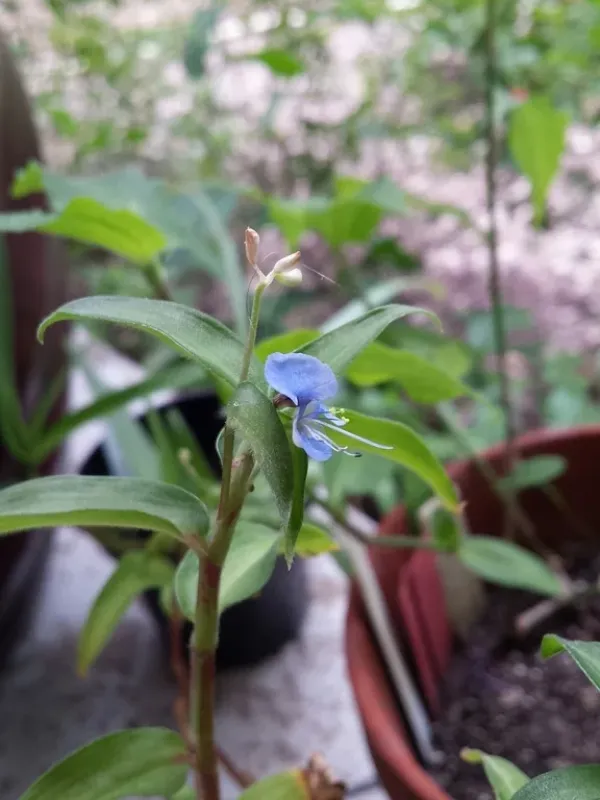
Description
Sowing dates
Commelina sikkimensis is a perennial herbaceous plant belonging to the Commelinaceae family. In agricultural and horticultural contexts, it is primarily propagated from seeds, which require specific preparation and consistent environmental conditions to ensure uniform germination.
The optimal sowing time is early spring, typically between March and April, depending on the local climate. Seeds should be sown in a high-quality, sterile growing medium that provides adequate drainage and aeration for the developing root system.
When transitioning plants to an outdoor environment, it is essential to ensure that the risk of frost has passed. Planting density should be carefully managed, allowing a spacing of approximately 25 centimeters between individual specimens to foster healthy airflow.
As a species originating from the Sikkim region in the Himalayas, the plant exhibits adaptation to specific seasonal growth patterns. Successful cultivation often involves replicating these conditions by providing a stable, moderate start to the growing season.
Seed depth during planting should be minimal, as the germination process is often light-dependent. Covering the seeds with a very thin layer of vermiculite or fine soil helps maintain humidity without hindering the emergence of the sprout.
Growing requirements
Commelina sikkimensis thrives in fertile, moisture-retentive soils with a slightly acidic to neutral pH. Soil structure should be loose and rich in organic matter to support the delicate root system of the plant.
Light requirements for this species are centered around partial shade. Direct, intense sunlight can result in leaf scorching and reduced floral longevity, whereas shaded environments help maintain the plant's natural vibrancy and health.
The irrigation strategy must prioritize steady soil moisture levels. The plant is particularly sensitive to drought, yet equally susceptible to root rot if the soil remains waterlogged for extended periods, necessitating efficient drainage.
Temperature management is crucial, with the ideal range lying between 18 and 24 degrees Celsius. Protection from cold drafts and extreme thermal fluctuations helps prevent stunted growth and ensures regular development during the vegetative phase.
Supplemental fertilization using a balanced, low-nitrogen liquid formula is recommended during the peak growing season. This supports lush foliage development and promotes consistent blooming throughout the warmer months of the year.
Main diseases and pests
Fungal infections, particularly root rot, represent the most significant threat to the health of Commelina sikkimensis. These conditions are almost exclusively linked to overwatering or poorly draining soil environments that promote pathogen activity.
Pest management is focused on controlling spider mites and aphids, which frequently target the soft tissues of the leaves. Regular inspection of the plant canopy is necessary to catch infestations before they spread to the entire population.
Mollusks such as slugs and snails pose a risk to young plants in open-air settings. Utilizing physical barriers such as copper tape or crushed rock around the base can effectively discourage these pests from reaching the foliage.
Sanitation practices are essential for disease prevention. Promptly removing yellowing or necrotic leaves prevents the build-up of decaying matter, which can serve as a breeding ground for harmful fungi and bacteria.
Biological control agents and targeted systemic fungicides should be employed when standard cultural practices are insufficient. Always adhere to application intervals specified by the manufacturer to minimize chemical stress on the plants.