
Commelina schweinfurthii
Commelina schweinfurthii
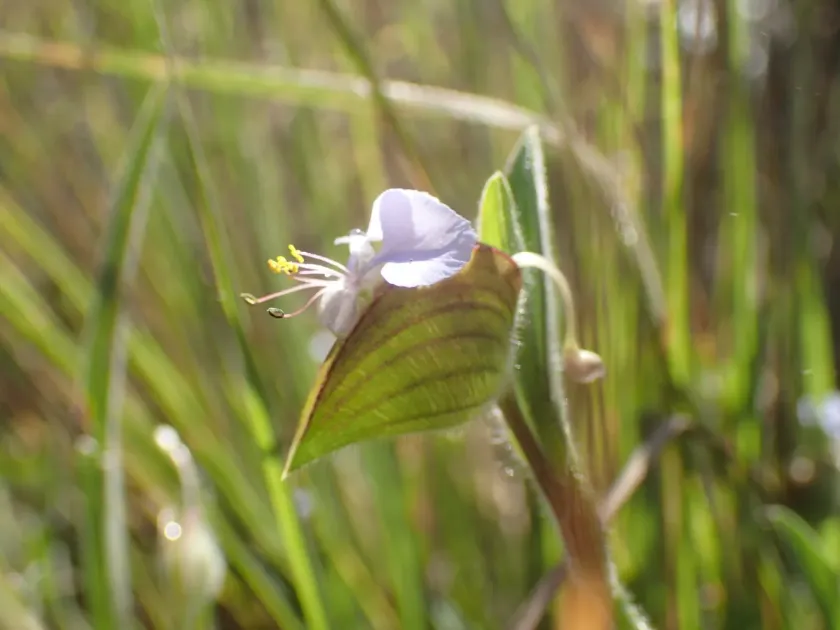
Description
Sowing dates
Sowing of this crop in tropical regions is typically carried out at the onset of the rainy season when soil temperatures and moisture levels are ideal for germination.
Seeds require shallow sowing as they are sensitive to depth and need adequate exposure to light to ensure successful emergence and establishment.
A row spacing of 40 to 50 centimeters is recommended to provide sufficient space for plants to thrive and maximize sunlight capture for efficient photosynthesis.
Preparation of the field must involve thorough weeding, as young seedlings are not highly competitive and can be easily suppressed by invasive weeds during initial growth.
Seeding rates should be adjusted based on the germination rate of the specific seed batch and the mechanical equipment used by the farming operation.
Growing requirements
Commelina schweinfurthii belongs to the Commelinaceae family and prefers fertile, well-drained soils to prevent root damage from stagnant water.
The plant is highly heat-dependent and grows optimally in temperatures ranging from 22 to 30 degrees Celsius throughout its vegetative growth phase.
Full sun exposure is necessary for maximizing biomass production, although the species demonstrates some tolerance for light, partial shading conditions.
Soil pH should ideally be neutral or slightly acidic, with high organic matter content to support vigorous growth and overall plant development.
Regular cultivation of the space between rows is essential to break up surface crusting, improve soil aeration, and ensure oxygen reaches the root system.
Yield
Yield capacity depends significantly on consistent irrigation and the strategic application of mineral fertilizers, particularly nitrogen during early growth.
With intensive management and proper care, the crop is capable of producing multiple cuts per season, serving as a reliable resource for livestock feed.
The optimal time for harvesting occurs just before the onset of flowering, which ensures that nutritional content in the stems and leaves is at its peak.
Crop rotation with legumes is highly recommended to naturally enrich the soil with nitrogen and maintain long-term agricultural sustainability on the plot.
Monitoring growth rates throughout the season allows for better planning of harvest cycles and ensures maximum biomass recovery after each cutting.
Main diseases and pests
The primary threats include fungal diseases that propagate rapidly in humid, poorly ventilated conditions, leading to stem and leaf decay.
Leaf-feeding insects and various larvae are common pests that can significantly reduce the foliage area, impacting the total yield of the crop.
Preventive strategies such as using treated seeds, maintaining optimal plant density, and ensuring proper field drainage are crucial for disease control.
Root rot is a common symptom of waterlogged soil; therefore, selecting fields with efficient natural or artificial drainage is a priority for successful cultivation.
Weekly scouting of the fields is recommended to identify pest infestations early, allowing for timely intervention and protection of the crop stand.
Harvesting
Harvesting is performed by cutting the aerial biomass at a height of approximately 5 to 10 centimeters, either manually or using specialized harvesting machinery.
Operations should be scheduled during dry weather periods to minimize the risk of moisture-related spoilage during storage or the drying process.
Prompt post-harvest processing is required to preserve the nutritional value of the biomass, preventing fermentation or mold formation in gathered material.
Efficient cutting practices promote vigorous regrowth, allowing the plant to branch out effectively and prepare for the next production cycle.
Transportation logistics must be well-organized to prevent the buildup of heat in the harvested forage, which can compromise its overall quality as animal feed.