
Commelina robusta
Commelina robusta
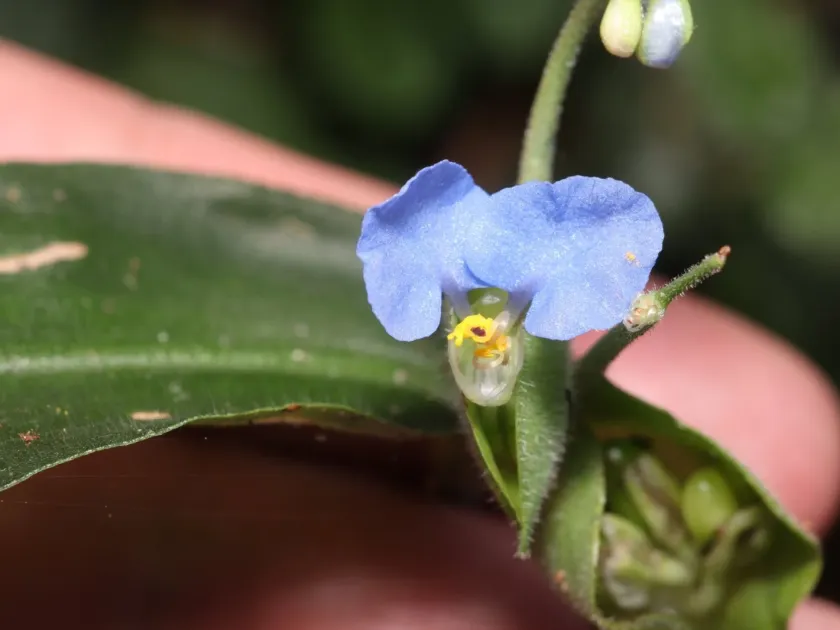
Description
Sowing dates
The optimal sowing time for Commelina robusta begins once the soil has warmed up sufficiently, ensuring that all risks of spring frost have passed. In most cultivation regions, this period typically falls in late spring, with soil temperatures around 18–20 degrees Celsius.
The seeds of this culture possess good germination capacity, though they benefit from pre-sowing treatments like soaking to ensure uniform emergence. Sowing is typically carried out in rows, providing adequate spacing for each plant to access essential nutrients.
The sowing depth should not exceed two centimeters, as small seeds require close contact with moist soil to germinate effectively. Light pressing of the soil surface after sowing is recommended to encourage capillary moisture movement towards the seeds.
To speed up the emergence of seedlings in varying climates, the use of protective plastic covers during the initial growth phase is often advised. This practice helps maintain a stable microclimate, which is crucial for early development.
For large-scale farming, specialized drills adjusted for small-seeded crops are used. Precision in seed distribution allows for efficient mechanization of subsequent maintenance tasks and harvest operations.
Growing requirements
Commelina robusta belongs to the Commelinaceae family and is a moisture-loving plant with tropical and subtropical origins. It demonstrates a high requirement for consistent soil moisture throughout its entire growth cycle.
The most favorable soils for cultivation are loose, loamy, or sandy soils with a neutral to slightly acidic pH. Proper drainage is essential, as waterlogging can lead to root rot despite the plant's natural preference for moist environments.
High levels of sunlight are required for healthy development, although direct, scorching midday sun can damage the leaf tissue. A site with bright, indirect light or light afternoon shade is considered ideal.
A stable, warm temperature regime is critical, as even short-term exposure to temperatures below ten degrees Celsius can significantly slow down metabolic processes and stunt growth.
The application of organic fertilizers during soil preparation significantly boosts productivity, as the plant actively absorbs nutrients during its rapid growth phase. A balanced nitrogen-to-phosphorus ratio is key to producing vigorous stems and lush foliage.
Yield
The primary economic use of Commelina robusta is the production of high-quality green biomass, which serves as an excellent fodder source for agricultural livestock. It is valued for its nutritional profile and palatability.
Yield depends heavily on the quality of irrigation and the frequency of mineral fertilizer applications throughout the growing season. With intensive management, the crop can provide multiple harvests in a single season.
A unique biological feature of this species is its ability to recover quickly from mechanical damage, such as mowing, allowing farmers to plan recurring harvests from the same plot.
In well-watered conditions, the plant rapidly occupies available space, creating a dense canopy that suppresses weed growth, thereby reducing the need for chemical herbicides.
Yield assessment is primarily based on dry matter production, which retains high nutritional value even after processing or drying for storage as hay or silage.
Main diseases and pests
Despite its high vitality, Commelina robusta can be susceptible to various rots if moisture levels are not managed correctly. Excessive soil moisture often triggers fungal infections within the root zone.
Common pests include sucking insects such as spider mites and aphids, which target the succulent parts of the stems. Regular monitoring of the crops allows for early detection and mitigation of pest outbreaks.
In pest management, preference is given to biological control methods because the plant is primarily used as fodder. Chemical insecticide usage must strictly adhere to harvest interval guidelines to ensure product safety.
Viral diseases occur rarely but can be transmitted by insect vectors. Prevention focuses on crop rotation and ensuring the use of clean, disease-free seed material for each planting cycle.
- Regular cultivation between rows to improve soil aeration.
- Prompt removal of infected plant parts to prevent further spread.
- Monitoring nitrogen levels to avoid weakening plant tissues.
Harvesting
Harvesting is performed during the peak phase of vegetative growth, before mass seed production, to maximize the nutritional value of the biomass. Timing depends on the intended end-use of the harvested material.
Mechanical mowing is conducted using mowers set to a specific cutting height. Leaving a portion of the stem intact promotes the regeneration of new shoots and subsequent harvests.
Immediately after mowing, the green mass should be processed or dried to prevent rapid moisture loss and fermentation. High temperatures during storage can degrade the quality of the biomass, so efficient handling is essential.
For seed production purposes, harvesting occurs when the pods turn brown and dry, preventing significant yield losses due to shattering. The collected seeds are then cleaned and dried in a shaded area.
Seed storage requires airtight containers kept in a cool, dry place to maintain germination viability until the next sowing season. Proper storage conditions are essential for high-quality results.