
Commelina prostrata
Commelina prostrata
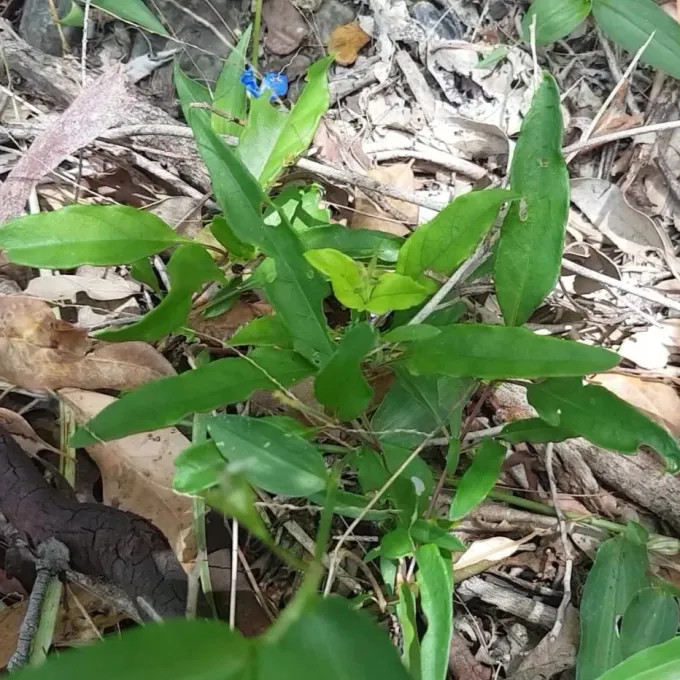
Description
Sowing dates
Sowing Commelina prostrata seeds is best performed in the spring season when temperatures consistently stay above 15 degrees Celsius. Indoor starting is recommended to ensure strong seedling development.
Seeds should be sown shallowly as they require light for germination. Use a light, well-draining potting mix to prevent seed rot during the early stages of life.
Once seedlings have developed their first true leaves, they can be hardened off and transplanted into their permanent outdoor locations during the late spring period.
Proper spacing is crucial to prevent overcrowding, as this plant tends to spread horizontally. Keep at least 30 to 45 centimeters between individual plants for healthy growth.
For large-scale cultivation, direct drilling into prepared beds is possible in tropical climates, provided the soil is free of competitive weeds.
Growing requirements
Commelina prostrata is a member of the Commelinaceae family, known for its preference for warm and humid environments. It thrives in locations that provide plenty of indirect sunlight.
The plant requires rich, moist, and well-draining soil to perform optimally. It is sensitive to soil compaction, so incorporating organic matter is beneficial for root health.
Water management is critical; the soil should remain consistently moist but never waterlogged. During peak summer, irrigation should be frequent to maintain turgor pressure in the stems.
Nutrient requirements are moderate. A balanced liquid fertilizer applied during the growing season supports steady foliage production and potential flowering.
The plant is not frost-tolerant and requires protection or indoor storage if temperatures drop below the optimal growth range of 20-25 degrees Celsius.
Main diseases and pests
The primary threats to this culture are fungal diseases, particularly those affecting the roots and stems caused by prolonged moisture and low light conditions.
Aphids are a common pest problem, especially in greenhouse conditions or during warm, dry spells. They cluster on new growth and can stunt plant development significantly.
Spider mites represent another potential pest, causing stippling on the leaves and eventually leading to premature leaf drop if not managed correctly.
Slugs and snails can cause considerable damage in garden settings. Implementing barriers or using organic baits is often necessary in high-humidity areas.
Effective management includes regular inspection and ensuring proper air circulation around the plants to prevent the development of powdery mildew and other molds.