
Commelina paleata
Commelina paleata
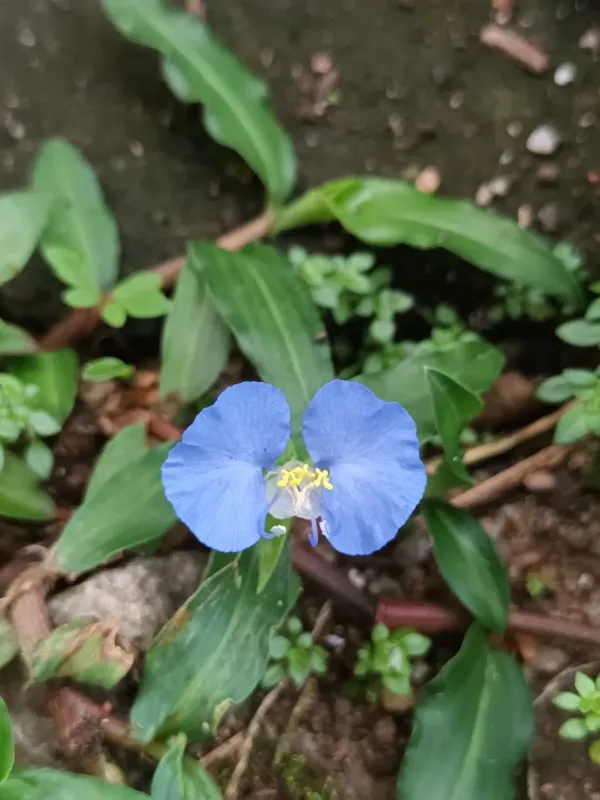
Description
Growing requirements
Commelina paleata is a herbaceous perennial plant belonging to the Commelinaceae family. Native to tropical and subtropical regions, it naturally thrives in moist environments such as forest edges, stream banks, and shaded meadows where moisture is consistently available.
The plant exhibits distinct morphological features including succulent, trailing, or ascending stems that can develop adventitious roots at the nodes. Its leaves are typically lanceolate and smooth, allowing for efficient light capture in the understory of its natural habitats.
Cultivation success depends heavily on replicating these ecological conditions. The soil must be nutrient-rich, organic-based, and possess excellent drainage capabilities, as the plant suffers rapidly if the root system remains in stagnant water.
Temperature requirements are stringent, with an optimal range between 20°C and 28°C. Being a tropical species, it cannot withstand frost or cold spells, requiring protection in greenhouses or indoor environments during cooler seasons in temperate climates.
Its primary economic use is centered around ornamental horticulture, where it is valued for its lush foliage and unique flowering pattern. Furthermore, there is ongoing research into its utility in landscape restoration and its potential medicinal properties derived from native usage traditions.
Main diseases and pests
The most prevalent threats to the cultivation of this species include fungal pathogens which thrive in poorly ventilated and over-saturated environments. Root rot and damp-off are common issues that can devastate young seedlings or established clusters.
Effective disease management involves strict sanitation protocols. Removing debris, ensuring proper spacing between plants to facilitate airflow, and maintaining a balanced irrigation schedule are the most effective preventative strategies against fungal outbreaks.
Pests such as spider mites and aphids are frequently observed in greenhouse settings, particularly when humidity levels drop below the threshold. These pests damage the foliage, causing chlorosis and stunting overall growth.
Integrated Pest Management (IPM) practices are highly recommended. This includes the use of predatory mites to control spider mite populations, which avoids the chemical residues that might compromise the plant's delicate vascular system.
Regular visual inspections are mandatory to spot early signs of infestation or infection. Early detection allows for physical removal of affected plant parts, effectively curbing the spread of the pathogen or pest without the need for intensive chemical applications.