
Commelina
Commelina hybrids
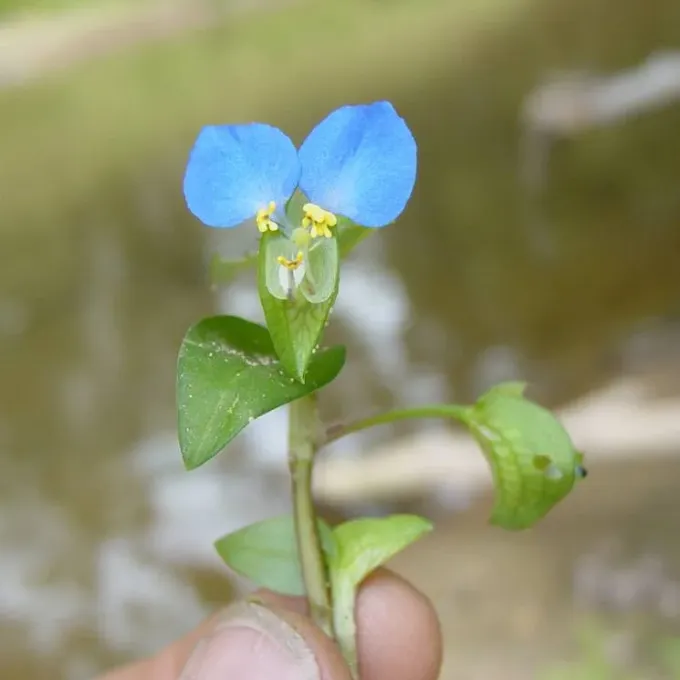
Description
Sowing dates
Sowing Commelina is typically performed in early spring once the soil temperature reaches a consistent 15 to 20 degrees Celsius.
The seeds should be planted at a shallow depth of about 1 to 2 centimeters as they require light to germinate effectively.
For container or nursery growth, seeds can be started indoors before the last frost date to ensure an extended growing season.
It is important to maintain consistent moisture during the germination process, which usually takes between ten to fifteen days.
Spacing the plants roughly 25 centimeters apart allows for optimal airflow and reduces the risk of moisture-related fungal issues.
Growing requirements
Commelina belongs to the Commelinaceae family and thrives in conditions with bright, indirect sunlight, though it can tolerate partial shade.
The culture requires nutrient-rich, moist, and well-draining soil to support its rapid vegetative development during the summer months.
Water availability is critical; the plants perform best when the soil is kept consistently damp, making them ideal for water-edge gardens.
They prefer temperatures between 20 and 25 degrees Celsius and are sensitive to harsh, freezing conditions in temperate climates.
Regular application of organic compost can help maintain the required soil fertility and improve moisture retention in sandy substrates.
Yield
Commelina is primarily utilized for its aesthetic value in landscape design, providing dense foliage and striking blue flowers.
In certain agricultural contexts, specific species are valued for their bioactive compounds, often used in traditional herbal medicine.
As a landscape plant, its productivity is measured by its rapid spreading ability and its capacity to act as a living groundcover.
Continuous flowering can be achieved through regular deadheading, which prevents seed formation and encourages the growth of new stems.
This crop is highly efficient for garden borders and hanging baskets where its vining habit can be showcased effectively.
Main diseases and pests
Slugs and snails are the most common threats to Commelina, as they thrive in the same moist environments favored by the plant.
Poor ventilation combined with high humidity can lead to powdery mildew, which significantly impacts the plant's appearance.
Aphids may target the succulent tips of the stems, requiring early intervention to prevent significant structural damage to the growth.
Preventive measures include maintaining proper plant spacing and ensuring the irrigation system does not create stagnant water spots.
Integrated pest management, such as using organic soaps or neem oil, is generally sufficient for managing common infestations.
Harvesting
Seed harvesting should be performed as soon as the capsules turn brown and dry to ensure maximum maturity and storage quality.
Seeds should be stored in airtight containers within a cool, dark environment to maintain viability for future growing seasons.
For medicinal use, the vegetative parts of the plant are harvested during the peak blooming period when metabolite levels are highest.
Drying the harvested material requires a well-ventilated, shaded area to avoid overheating or exposure to direct ultraviolet radiation.
Proper harvest and post-harvest handling are essential to ensure the longevity of the seeds and the potency of the medicinal extracts.