
Rabiea
Rabiea
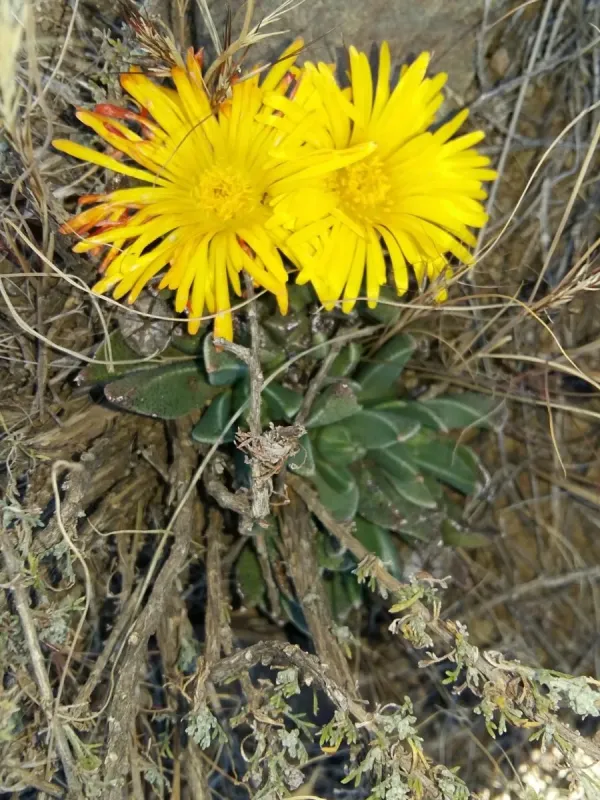
Description
Growing requirements
Rabiea is a genus of perennial succulent plants belonging to the Aizoaceae family. In their natural habitat, these plants are primarily found in the arid regions of South Africa, where they have evolved to withstand extreme temperatures and significant water scarcity.
Botanically, the culture is distinguished by fleshy, often textured or spotted leaves arranged in compact basal rosettes. These plants possess a robust, often tuberous root system, which serves as a vital organ for storing water and nutrients, enabling the plant to survive prolonged dry spells.
Successful cultivation of Rabiea requires highly permeable, well-drained substrates that mimic the rocky, sandy soils of desert environments. An ideal planting mix includes loam, coarse sand, and gravel in a 1:2:1 ratio to prevent root rot caused by stagnant moisture.
As a sun-loving plant, it requires placement on south or south-east facing windowsills with maximum access to direct sunlight. Insufficient lighting causes etiolation, where the plant stems stretch and weaken, leading to a loss of the species' characteristic aesthetic and natural resilience.
During the active growth season, the optimal temperature ranges from 22 to 28 degrees Celsius. In winter, the plant requires a dormant phase in dry conditions at 10–12 degrees. Maintaining good air circulation is crucial, as high humidity and stagnant air are detrimental to the succulent's epidermis.
Main diseases and pests
The primary threat to the Rabiea genus is overwatering, which quickly leads to root rot and stem base decay. These fungal infections are difficult to treat, making prevention through rigorous drainage management and controlled watering cycles the most effective strategy.
Pests such as mealybugs, which conceal themselves in leaf axils, and spider mites, which thrive in dry indoor conditions, pose significant risks. Managing these pests requires the use of systemic insecticides or mechanical cleaning with specialized horticultural soaps.
Nematode infestations may occur if the growing medium has not been properly sterilized. Preventive measures include heat-treating the soil before planting and conducting regular inspections of the root system during seasonal repotting cycles.
Improper lighting or sudden changes in exposure can trigger leaf scorching, appearing as light, necrotic patches on the leaves. Once the leaf tissue is damaged, it becomes highly susceptible to secondary bacterial and fungal infections that can compromise the plant's health.
If an infection or pest infestation is identified, it is essential to isolate the affected specimen immediately. Practicing consistent sanitation of tools and using high-quality, disease-free substrate are fundamental to maintaining a healthy collection of these unique succulents.