
Oophytum
Oophytum
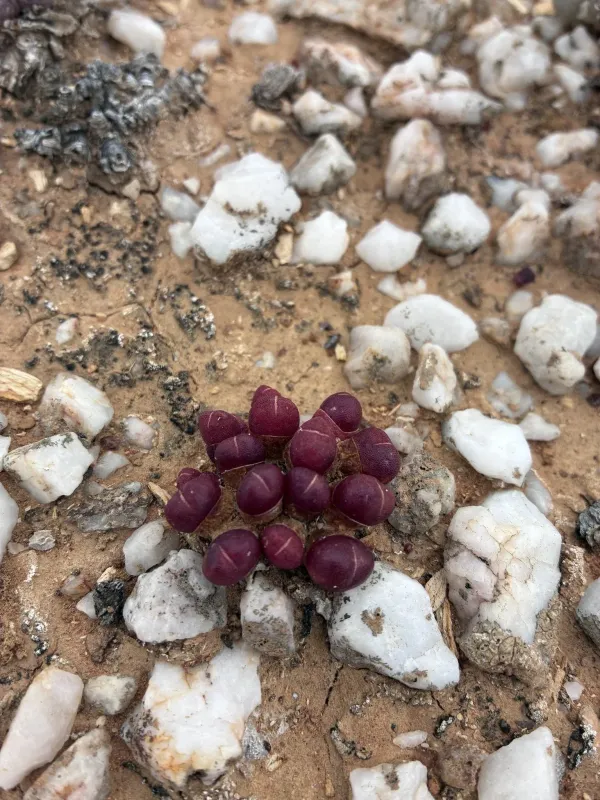
Description
Growing requirements
Oophytum is a genus of miniature succulents belonging to the Aizoaceae family. Originating from the arid regions of South Africa, these plants have evolved to survive in extreme conditions, typically growing in rocky or sandy substrates with very little organic matter.
To successfully cultivate Oophytum, growers must mimic its native environment. This species requires significant amounts of bright light to maintain its compact shape. While it thrives in sunshine, protection from intense mid-day heat is often necessary in closed greenhouse conditions to prevent scorching.
The choice of soil is crucial for the health of the plant. A strictly inorganic substrate is recommended, consisting of a mix of pumice, coarse sand, and expanded clay. This ensures excellent aeration and rapid drainage, which are essential to prevent the accumulation of moisture around the roots.
Watering should be approached with caution and strictly linked to the plant's seasonal cycle. During the growing season, only light watering is required, while the dormant season requires a completely dry environment to prevent the plant from etiolating or rotting.
Temperature management plays a vital role in the plant's life cycle. Oophytum prefers cool, well-ventilated conditions during its resting period. Exposure to moderate temperature drops at night often encourages healthier growth and stronger structural integrity.
Main diseases and pests
Root rot is the primary threat to Oophytum, caused almost exclusively by improper watering habits or poor drainage. Once root tissue begins to decay, the entire plant structure can collapse very rapidly.
Mealybugs are common pests that tend to hide within the tight crevices of the succulent's leaves. Regular monitoring is essential, as these pests can reproduce quickly in stagnant air conditions, damaging the surface of the plant.
Spider mites can also become an issue, particularly when the ambient air is too dry for prolonged periods. These pests feed on the cell sap, leaving discolored patches that significantly reduce the aesthetic appeal of the succulent.
Fungal infections can develop if moisture remains on the foliage for too long, especially during cooler, cloudy days. Ensuring good airflow is the most effective way to prevent the colonization of harmful pathogens.
General hygiene, including the removal of debris from the pot surface, is a key preventative measure. If a plant is infested, isolating it and applying a suitable insecticide or fungicide at the recommended dilution rate is necessary.