
Mesembryanthemum cryptanthum
Mesembryanthemum cryptanthum
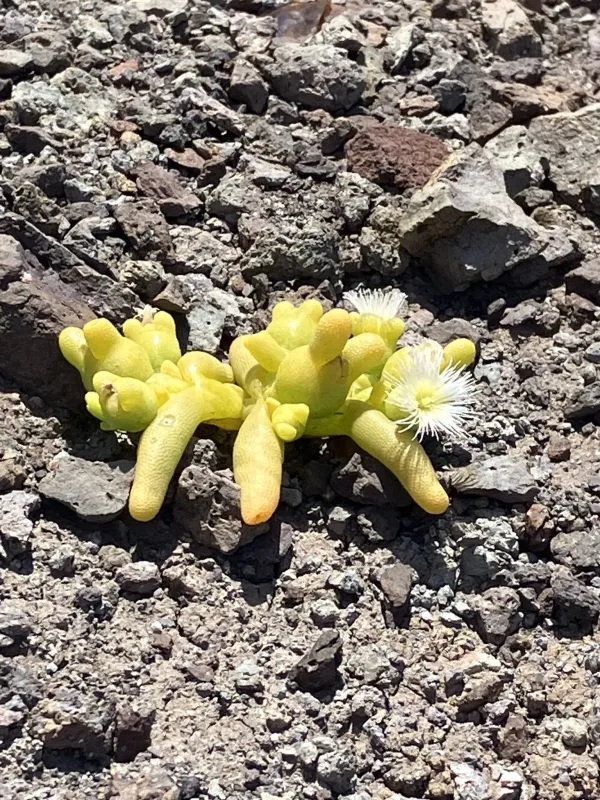
Description
Sowing dates
Mesembryanthemum cryptanthum is a distinctive annual succulent species belonging to the Aizoaceae family. It is known for its ability to thrive in harsh, arid, and saline environments.
Sowing should take place in early spring once all risks of frost have passed. The seeds are minuscule and require a shallow sowing depth, ideally pressed into the surface of a light, well-draining substrate.
The germination process requires temperatures between 18 and 24 degrees Celsius. It is essential to maintain consistent moisture during the initial stage without allowing the substrate to become waterlogged.
As the seedlings emerge, thinning may be necessary to ensure adequate space for the rosette to develop. Proper spacing is crucial to prevent competition for light and nutrients among the plants.
The growth phase is characterized by the development of fleshy, crystalline leaves. This species acts as a rapid grower under favorable sunny conditions, quickly establishing its presence in the garden or field.
Growing requirements
As a notable halophyte, Mesembryanthemum cryptanthum is exceptionally well-adapted to soils with high salt content. This trait allows it to be grown in areas where conventional crops often fail.
Excellent soil drainage is the primary requirement for successful cultivation. The species is highly susceptible to root rot if the soil structure remains too damp for extended periods.
The plant requires full sun exposure to maintain its physiological health and vigor. Reduced sunlight exposure will likely lead to stunted growth and a loss of its characteristic succulent structure.
Climate preferences include high temperatures and low relative humidity. While it can withstand periods of drought, providing moderate moisture during the vegetative stage increases overall biomass yield.
Soil quality, while ideally sandy or loamy, should be loose enough to allow oxygen to reach the root zone. Avoid heavy clay soils that impede drainage and aeration for this sensitive species.
Main diseases and pests
Root and crown rots caused by soil-borne fungi are the most prevalent threats to Mesembryanthemum cryptanthum, typically triggered by improper irrigation habits.
Powdery mildew may occur if the plants are placed in areas with poor air circulation or high humidity, leading to leaf lesions and reduced vitality of the plant.
Spider mites are frequent pests in warm, dry settings, often found on the undersides of leaves where they feed on sap, causing yellowing and tissue damage.
Aphids can also infest young, tender growth during the early season, which may stunt development and attract secondary infections or sooty mold.
Management strategies focus on preventive measures, including regular inspection of the leaf surface, optimizing irrigation cycles, and ensuring adequate planting density to promote natural airflow.