
Dracophilus
Dracophilus
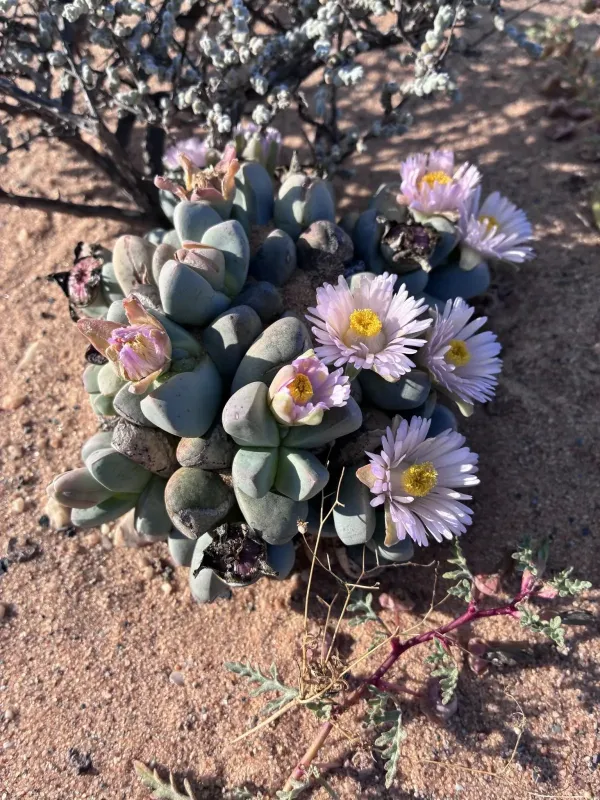
Description
Growing requirements
Dracophilus is a genus of succulent plants within the Aizoaceae family, native to the arid regions of South Africa and Namibia. These plants are well-known for their unique adaptation to desert environments, often mimicking the appearance of stones to evade herbivores.
The botanical structure consists of fleshy, partially fused leaves forming compact clumps. This morphological specialization allows the plant to store significant amounts of water, enabling it to survive for extended periods without precipitation in its natural habitat.
To cultivate Dracophilus successfully, a highly porous and mineral-rich substrate is required. A mixture of pumice, coarse sand, and a small amount of sandy loam ensures optimal drainage, preventing the root system from becoming waterlogged during the vegetative season.
Light requirements are stringent; Dracophilus thrives under intense sunlight. In greenhouse settings, supplemental LED lighting is often necessary during winter months to prevent etiolation, which can permanently deform the plant's characteristic compact habit.
Environmental control involves maintaining low humidity levels and providing excellent air circulation. During the growing season, watering should be performed only when the substrate has completely dried out, following a strict cycle to mimic the intermittent rains of their native climate.
Main diseases and pests
The primary threat to Dracophilus is overwatering, which facilitates the rapid onset of root and stem rot. Fungal pathogens thrive in damp, stagnant environments, often causing the plant to collapse from the base within a few days of excessive exposure to water.
Mealybugs are the most common pest associated with this genus. They tend to congregate in the deep crevices between the fused leaves, where they are difficult to detect until the plant starts showing signs of stunted growth or yellowing.
Spider mites can also be problematic if the ambient environment remains too dry and hot without proper ventilation. These pests damage the succulent's epidermis, leaving unsightly scars that reduce the overall aesthetic and market value of the crop.
Integrated pest management, including the use of systemic insecticides and proper sanitation of tools and pots, is essential for maintaining a healthy collection. Routine inspection of the leaf axils is recommended to catch infestations before they spread.
If rot is identified early, surgery involving the removal of necrotic tissue followed by dusting with a fungicide can sometimes save the plant. However, prevention through precise irrigation management remains the most effective strategy for long-term survival.