
Mexican giant hyssop
Agastache mexicana (Humb., Bonpl. & Kunth) Linton & Epling
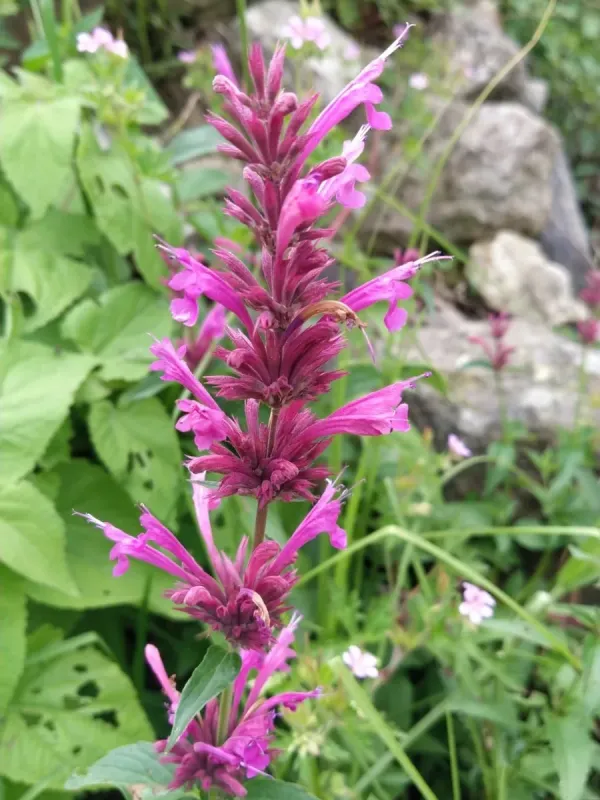
Description
Sowing dates
Sowing Agastache mexicana is typically performed using the indoor starter method to ensure robust seedling development. In warmer climates, direct sowing can be successful after the risk of frost has passed and the soil has reached 15°C.
Seed preparation begins in early spring, placing seeds on a sterile seed-starting mix. The seeds require light for germination, so they should be pressed into the surface rather than buried deep under the soil medium.
Once true leaves appear, seedlings are transplanted into individual containers. Proper spacing is crucial to prevent damping-off diseases and to allow for adequate airflow during the early stages of plant growth.
Transplanting to the permanent field site should occur once the outdoor temperatures are stable. A well-prepared seedbed, free from competitive weeds, will significantly improve the establishment success rate of young plants.
Spacing requirements vary depending on the intended harvest, but a standard density allows for 4–6 plants per square meter. This layout facilitates easier mechanical weeding and maximizes the exposure to sunlight.
Growing requirements
As a member of the Lamiaceae family, the Mexican giant hyssop thrives in locations with full sun exposure. Sunlight is a primary factor in the development of essential oils, which define its commercial and medicinal value.
Well-draining, moderately fertile soil is essential for the plant to reach its full potential. Sandy loams are ideal, as they prevent water stagnation which can be fatal to this species during colder periods.
The plant demonstrates good resilience to drought once established. However, consistent moisture during the active vegetative growth phase will ensure higher biomass production and more vigorous flower clusters.
A neutral pH balance in the soil is preferred for optimal nutrient uptake. Amendments like compost can improve soil structure and provide the necessary organic matter for healthy root development.
Fertilization should be managed carefully, favoring phosphorus and potassium to encourage root health and bloom production over excessive leafy growth. Excessive nitrogen can reduce cold hardiness.
Yield
Yield capacity of Agastache mexicana is influenced by local climate conditions and soil fertility. In the first year, farmers should expect a more modest yield as the plants focus on establishing root systems.
In subsequent years, the plant matures and produces significantly more biomass. With strategic harvesting, multiple cuttings are possible within a single growing season, greatly increasing the total yield per hectare.
The average yield of dried material can range between 3 to 5 tons per hectare in established fields. High-quality harvests depend heavily on the timing of the cutting relative to the flowering cycle.
Agastache is highly valued as a nectar-rich plant for pollinators. Integrating this crop into diversified agricultural systems can yield secondary economic benefits through apiculture services and increased pollination efficiency.
Seed production requires careful monitoring of the spikes. Once they turn brown, the seeds should be harvested promptly to prevent loss, as the plant naturally sheds its seeds when fully mature.
Main diseases and pests
The most common agricultural threats involve fungal pathogens related to high humidity. Powdery mildew is a frequent issue, particularly if planting density is too high, leading to poor air circulation.
Root rot represents a critical danger, especially in poorly drained soil types. Preventive measures, such as proper spacing and strict drainage management, are more effective than curative treatments once rot sets in.
Pests like aphids and spider mites can occasionally affect the plant, particularly in sheltered or greenhouse environments. Biological control methods are generally preferred to maintain the plant's medicinal quality.
Weed competition is the greatest challenge during the initial weeks of growth. Using landscape fabric or organic mulch can drastically reduce weed pressure while conserving soil moisture for the crop.
Frost damage during the winter can be a threat in colder climates. Applying mulch around the base of the plant in late autumn helps protect the root crown from extreme temperature drops.
Harvesting
Harvesting for essential oil production and medicinal use should occur at the peak of full flowering. This is when the plant's chemical profile is at its most potent and aromatic intensity is highest.
The stalks should be cut roughly 15 cm above the soil line. This pruning technique not only provides a clean harvest but also encourages the plant to trigger secondary growth for potential late-season yields.
Post-harvest, the material must be dried immediately in a dark, well-ventilated area. Rapid drying prevents mold formation and preserves the integrity of the aromatic compounds contained in the leaves.
Once dried, the leaves and flowers are separated from the woody stems. High-quality commercial storage requires airtight containers kept away from direct light to prevent the degradation of volatile oils.
When collecting seeds, ensure the spike is completely dry to prevent rot in storage. Clean seeds should be stored in cool, dry conditions to maintain viability for the next planting season.