
Agastache pallida
Agastache pallida (Lindl.) Cory var. pallida
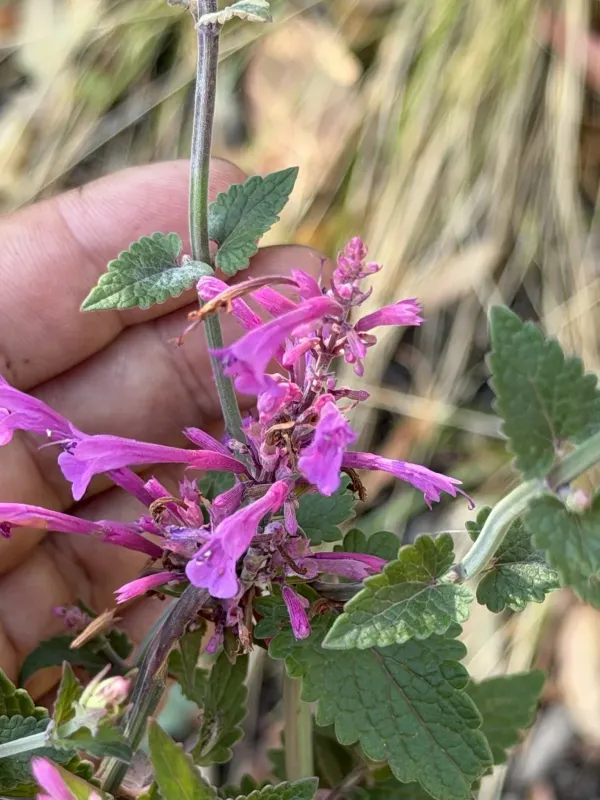
Description
Sowing dates
Sowing Agastache pallida is best performed in the spring, once the soil has warmed sufficiently, typically when temperatures are stable above 15 degrees Celsius.
For indoor propagation, seeds should be started in trays during March, allowing the seedlings to develop strong root systems before the outdoor transplanting phase.
Because the seeds are extremely small, they should be surface-sown and pressed gently into the substrate without burying them too deeply under the soil.
Cold stratification for approximately two weeks prior to planting can significantly improve the germination rate and uniformity of the emerging seedlings.
Maintaining a consistent moisture level in the seedbed is essential during the first weeks, as the delicate seeds are highly sensitive to drought during the initial stage.
Growing requirements
Agastache pallida, belonging to the Lamiaceae family, thrives in full sun, which is crucial for the development of its characteristic aromatic compounds and essential oils.
The ideal soil conditions include well-drained, porous, and nutrient-rich soil that prevents water accumulation and root suffocation during wet seasons.
While the plant is relatively hardy, it requires consistent watering during the peak growing season to ensure robust vegetative growth and plentiful flowering.
The plant prefers a neutral to slightly alkaline soil pH; it is highly adaptable but struggles significantly in heavy clay soils that stay waterlogged for long periods.
Providing adequate spacing between plants is important for air circulation, which prevents the development of fungal infections in the dense foliage of the plant.
Main diseases and pests
Root rot is the most common threat to Agastache pallida, typically caused by improper drainage, excessive irrigation, or stagnant water around the plant's crown.
Powdery mildew may occur in high humidity, manifesting as a white coating on the leaves and eventually reducing the plant's overall health and vigor.
Common pests include aphids and spider mites, which can cause significant damage to tender leaves and inflorescences if populations are not controlled early.
Integrated pest management strategies, such as using natural predators or organic horticultural soaps, are recommended for maintaining plant health without toxic residues.
Removing damaged or dead plant material promptly helps reduce the risk of spreading pathogens within the planting area during the active growing season.
Harvesting
Harvesting for essential oils or medicinal purposes should occur during the full bloom stage when the concentration of aromatic oils in the leaves is at its peak.
The stems should be harvested using sharp tools to avoid crushing the plant tissues, leaving at least one-third of the growth to ensure the plant's longevity.
Drying the harvested material requires a cool, shaded, and well-ventilated environment to prevent the degradation of volatile oils by heat and direct UV light.
Once dried, the leaves and flowers are separated from the woody stalks to concentrate the aromatic biomass and improve the convenience of storage.
Long-term storage should be done in airtight containers away from heat and moisture to preserve the chemical potency and sensory properties of the herb.