
Agastache hybrid
Agastache cana x Agastache pallidiflora
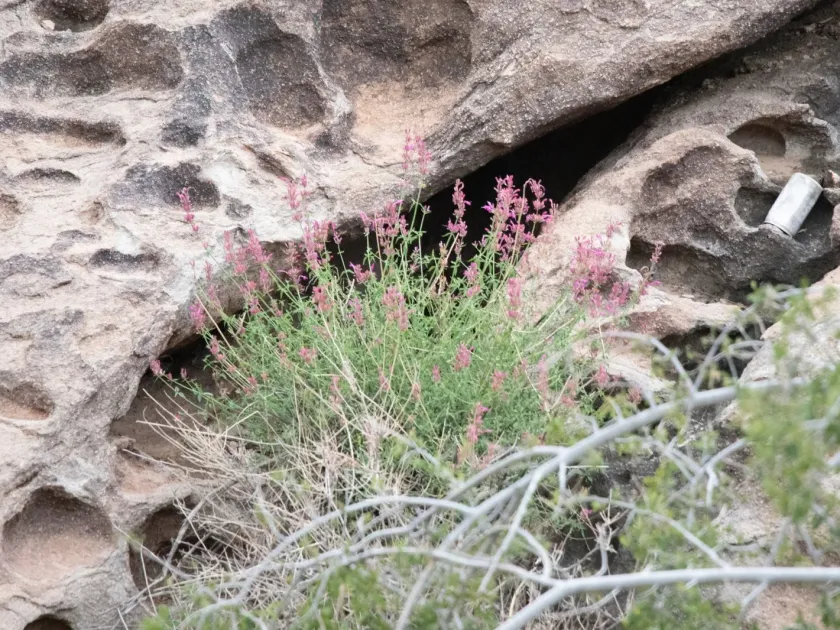
Description
Sowing dates
Sowing seeds for Agastache hybrid starts in late February or early March, indoors, to ensure well-developed seedlings before transplantation into the field.
The seeds require light to germinate, so they should be sown on the surface of the growing medium and pressed firmly rather than buried deep under soil.
In regions with mild climates, direct outdoor sowing is possible from late April or May, once all danger of spring frost has completely passed.
It is recommended to keep a spacing of 30–40 centimeters between individual plants to allow for proper airflow and prevent competition for nutrients.
Cold stratification of seeds for at least two weeks before sowing significantly improves germination rates and ensures a more uniform plant development.
Growing requirements
Agastache hybrid (Agastache cana x Agastache pallidiflora) belongs to the Lamiaceae family and is highly valued for its fragrant foliage and flowering spikes.
This crop thrives best in full sun exposure and requires well-draining soil, as waterlogged conditions are often fatal to the plant's delicate root system.
While established plants are remarkably drought-tolerant, consistent watering is essential during the early stages of growth and throughout the flowering period.
Neutral to slightly alkaline soil pH is optimal for maximizing the aromatic oil content within the leaves and flowers of the hybrid variety.
The crop requires protection from strong winds and prefers locations that retain warmth, which supports the essential metabolic processes of the plant.
Main diseases and pests
Root rot is the most common threat to Agastache hybrid, typically caused by poor soil drainage or excessive moisture accumulating around the base of the plant.
Powdery mildew may occur in stagnant, humid air, appearing as a white powdery coating on leaves and potentially reducing the plant's overall vigor.
Aphids and spider mites are the most frequent pests, often attacking the plants during dry spells when the plant's natural defenses may be slightly weakened.
Maintaining proper distance between plants and removing surrounding weeds helps to improve air circulation and significantly reduces the risk of fungal outbreaks.
Early detection and the use of integrated pest management practices allow growers to protect their yield without relying on harsh chemical pesticides.
Harvesting
Harvesting for essential oil production or dried culinary use should take place at the peak of the flowering season for optimal potency.
Stems should be cut early in the day once the dew has evaporated, ensuring that the moisture content is low enough to prevent mold during the drying phase.
Drying should be performed in a cool, shaded, and well-ventilated area to preserve the delicate aromatic compounds that are sensitive to UV light and heat.
Seed harvesting requires waiting until the flower spikes have fully matured and turned brown before placing them in paper bags to collect the falling seeds.
Regular harvesting of flower spikes throughout the season can encourage the plant to produce a second flush of blooms, prolonging the visual appeal.