
Anise hyssop
Agastache foeniculum (Pursh) Kuntze
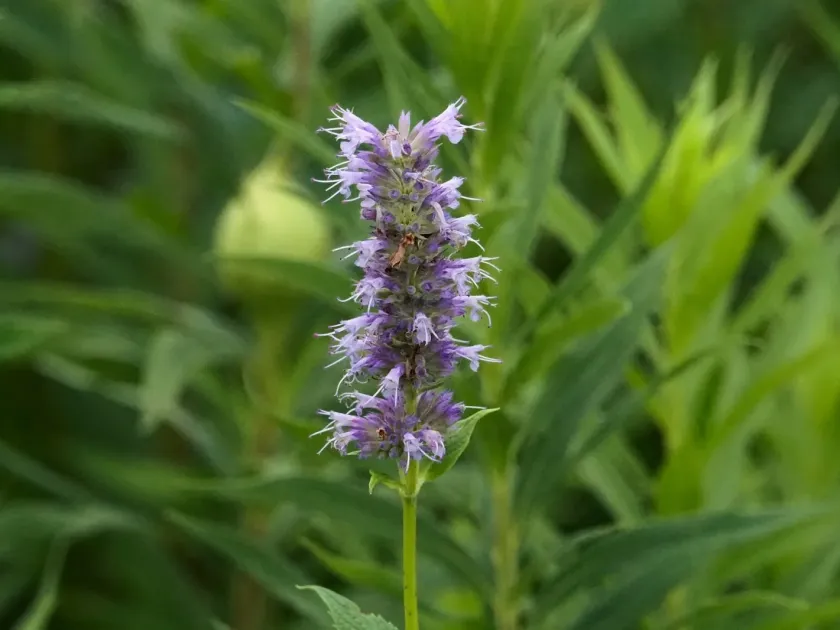
Description
Sowing dates
Anise hyssop can be propagated from seeds or cuttings. When sowing directly in the field, it is best done in the spring once the danger of frost has passed and the soil has sufficiently warmed up to facilitate germination.
For more predictable results, start seeds indoors about 6-8 weeks before the last expected frost date. The seeds require light for germination, so they should be pressed into the soil surface rather than buried deep beneath the earth.
Maintain proper spacing when transplanting the seedlings into the garden, allowing 30-45 cm between individual plants. This spacing ensures adequate airflow, which is critical for preventing fungal diseases in the dense foliage.
The germination period usually lasts between 10 to 14 days under optimal temperatures of 18-22 degrees Celsius. Keeping the seedbed consistently moist is essential during this initial growth phase.
As a member of the Lamiaceae family, this species establishes a robust root system relatively quickly. Early spring sowing provides the plants with enough time to develop sufficient biomass before the onset of the summer heat.
Growing requirements
Anise hyssop thrives in full sun, although it can tolerate partial shade in hotter climates. However, maximum sun exposure is required to achieve the highest concentration of essential oils in the leaves.
Well-draining, moderately fertile soil is ideal for this crop. It performs poorly in heavy clay or waterlogged soils, which often lead to root rot and other physiological issues during the rainy season.
While the plant is somewhat drought-tolerant once established, it prefers regular watering during the first growing season. Consistent moisture promotes faster growth and more lush foliage for harvest.
Soil pH should be near neutral, ranging from 6.0 to 7.5. It does not require intensive fertilization, as excessive nitrogen can actually decrease the pungency and aromatic quality of the plant material.
Providing a layer of organic mulch can help retain soil moisture and regulate soil temperature. Ensure the mulch does not directly touch the base of the stems to avoid moisture-related decay.
Yield
Under favorable growing conditions, Anise hyssop can produce multiple harvests within a single season. Growers typically harvest the vegetative mass twice, once in mid-summer and once in early autumn.
As a premier nectar source, this plant is highly valued in apiculture. A single acre of well-managed Anise hyssop can provide a significant yield of high-quality honey, known for its light color and delicate taste.
For essential oil production, the harvest must be timed precisely with the blooming stage. The yield of volatile oils is highest during the peak of flowering, typically occurring between July and August.
Proper weed control in the initial stages is essential to maximize crop yield. If the field is heavily infested with aggressive weeds, the competition for nutrients can severely limit the growth of the hyssop plants.
Productivity also depends on the cultivar selection. Some modern hybrids have been developed specifically for increased flower production, which enhances both aesthetic appeal and honey production capacity.
Main diseases and pests
The most significant threat to Anise hyssop is root rot caused by poor drainage. Symptoms include wilting, yellowing of the foliage, and eventual collapse of the plant, especially after heavy rainfall.
Powdery mildew can occur during periods of high humidity and poor air circulation. This fungal disease creates a white, dusty layer on the leaves, which can reduce the overall health and marketability of the herb.
Insects like aphids or spider mites may occasionally infest the plants, particularly in dry conditions. Regular monitoring is advised, as these pests can sap the energy from young, tender shoots.
Slugs and snails can be a nuisance for young transplants. Implementing physical barriers or organic pest control methods can help protect the small plants until they are large enough to withstand minor damage.
Practicing crop rotation is vital to avoid soil-borne pathogens. Avoid planting Anise hyssop in the same spot for more than three years in a row to keep the soil healthy and productive.
Harvesting
Harvesting for medicinal or culinary use should be done early in the morning, immediately after the dew has evaporated but before the heat of the sun releases the volatile essential oils.
To harvest, cut the stems approximately 10-15 cm above the ground. This method stimulates the plant to produce new shoots, ensuring a second harvest later in the season if weather permits.
Drying the harvested material should occur in a dark, airy location out of direct sunlight. High temperatures during drying should be avoided, as they will cause the rapid loss of the plant's aromatic properties.
For seed production, allow the flower spikes to turn brown on the plant. Once fully dried, the spikes can be harvested and threshed to collect the tiny, dark seeds for storage or future planting.
Proper storage is the final step in the harvest process. Use airtight containers and store in a cool, dark environment to maintain the potency and scent of the anise-like foliage for up to two years.