
Agastache pallidiflora
Agastache pallidiflora (A. Heller) Rydb.
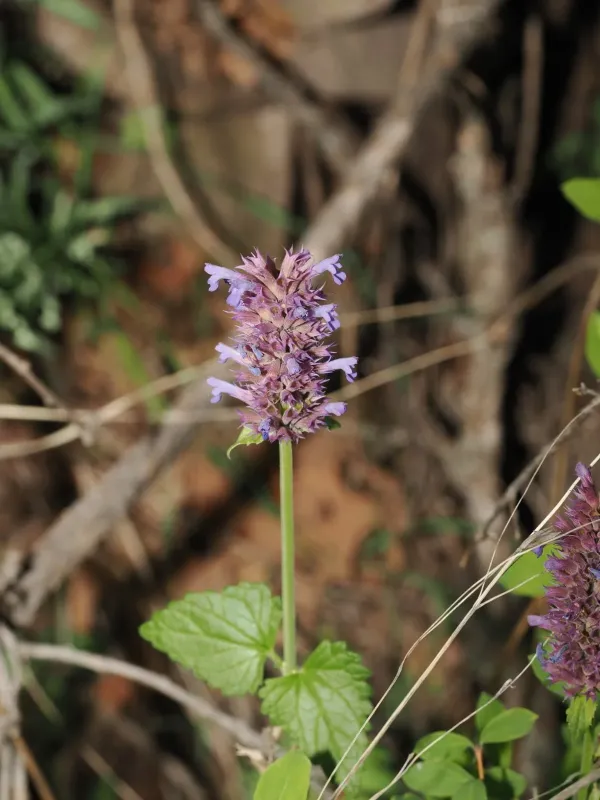
Description
Sowing dates
Sowing Agastache pallidiflora is best performed in the spring when soil temperatures consistently reach at least 10–12 degrees Celsius. Starting seeds indoors or in a greenhouse is recommended for areas with shorter growing seasons to ensure better establishment.
The seeds are very small and require light for germination, so they should be sown on the surface or covered with a very fine layer of soil. Maintaining constant moisture is critical during the first two weeks of development.
Row spacing should be maintained at 45–60 cm, with individual plants spaced about 30 cm apart. This setup promotes good airflow, which is essential for preventing damp-related diseases in the Lamiaceae family.
Thinning should occur once the seedlings reach the four-leaf stage to ensure the strongest specimens have enough resources to develop into productive plants.
Pinching the growing tips early in the season encourages lateral branching, leading to a denser plant structure and a higher yield of aromatic foliage and flowers.
Growing requirements
This species thrives in full sun, requiring at least six to eight hours of direct sunlight daily to maximize the production of essential oils and vibrant floral displays.
The ideal soil is sandy or loamy with excellent drainage. While it tolerates various soil types, it is highly sensitive to waterlogged conditions, which can lead to root rot within a short period.
Although it possesses good drought tolerance once established, consistent irrigation during the peak summer months significantly improves biomass production and overall plant health.
Soil pH should ideally be neutral or slightly alkaline. Incorporating compost or well-rotted manure during pre-planting preparation provides sufficient nutrients for robust growth.
Native to high-elevation areas in the Southwestern United States and Northern Mexico, the plant is well-adapted to wide temperature fluctuations between day and night.
Main diseases and pests
The most common agricultural threats include root rot and stem decay, which are almost exclusively caused by excessive soil moisture and poor drainage patterns in the field.
Powdery mildew is a frequent problem in humid environments where plants are spaced too closely, reducing the necessary air circulation between the foliage layers.
Pests like aphids and spider mites can infest the plants during hot, dry spells. Integrated pest management, focusing on beneficial insects, is preferred to maintain the quality of the harvested herb.
Weed control is essential during the early stages of growth as the plant is not highly competitive against vigorous weeds until it forms a full, established canopy.
Crop rotation is strongly advised to prevent the buildup of soil-borne pathogens, especially in areas where other members of the Lamiaceae family have been cultivated previously.
Harvesting
The primary harvest for foliage and flowers occurs during full bloom, as this is when the concentration of essential oils is at its highest point in the plant's life cycle.
Harvested material should be hung or spread in a dark, dry, and well-ventilated area for drying to preserve the delicate aromatic compounds from heat and light degradation.
Seed harvesting should be performed once the flower spikes have turned brown and dry, usually by cutting the stems and threshing the seeds in a clean, controlled environment.
Cutting the plants back to just above the soil level after the final harvest helps prepare them for winter dormancy and encourages vigorous regrowth in the following spring.
On productive farms, Agastache pallidiflora stands are typically managed as perennial crops for 3 to 5 years, after which the plot should be cleared and replanted.