
Agastache cusickii
Agastache cusickii (Greenm.) A. Heller
Description
Sowing dates
Sowing Agastache cusickii is typically performed in the spring once the soil temperature consistently reaches +12°C to +15°C. To ensure high germination rates, it is advisable to subject the seeds to a cold stratification period of three to four weeks prior to sowing, mimicking natural dormancy cycles.
Seeds should be sown at a shallow depth of approximately 0.5 cm, as they require a degree of light to initiate germination. Covering the seeds with a very light layer of sand or vermiculite helps maintain surface moisture while allowing for adequate aeration, which is vital for successful seedling development.
When starting indoors, seeds should be sown in March using a light, sterile growing medium. Transplanting to an outdoor location should occur only after the danger of frost has passed, ensuring the seedlings have hardened off sufficiently to withstand direct sun and wind exposure.
The recommended planting density is 30x40 cm, which provides enough space for air circulation between mature plants. This spacing is instrumental in preventing localized humidity buildup, which is a major precursor to fungal infections and overall plant decline in dense stands.
During the first growth season, focus should be on establishing a deep root system. Irrigation should be deep but infrequent, encouraging the roots to search for water. Once the plant is established, it requires minimal intervention, making it a low-maintenance addition to agricultural systems.
Growing requirements
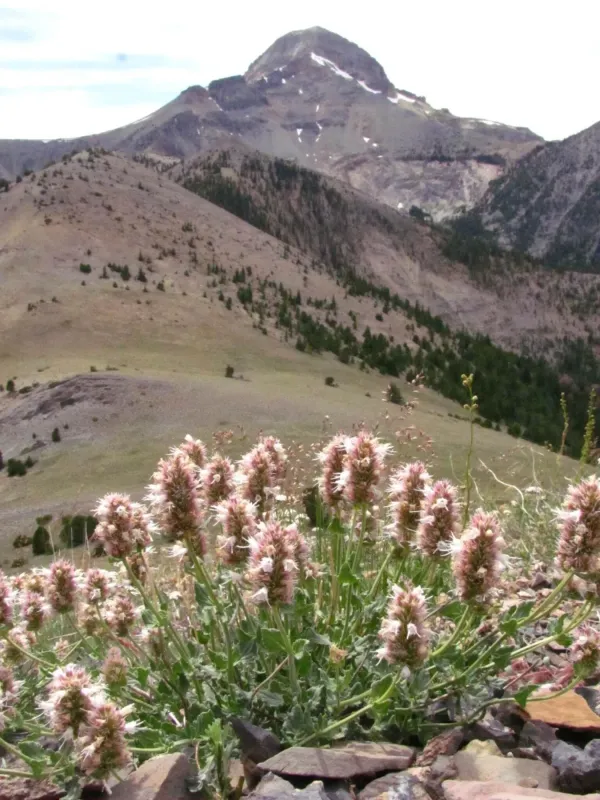
Agastache cusickii, commonly known as Cusick's giant hyssop, is a herbaceous perennial belonging to the Lamiaceae family. It is native to the western regions of North America, where it thrives on rocky slopes and in mountainous terrains, demonstrating a remarkable resilience to harsh environmental conditions.
The plant grows as a subshrub, typically reaching heights of 30 to 60 centimeters. It features ovate, serrated leaves and spikes of fragrant lavender or rose-colored flowers. This species is highly valued for its ability to attract pollinators, making it an excellent choice for biodiversity-focused agriculture and apiaries.
Regarding soil requirements, Agastache cusickii demands well-drained conditions. Sandy or loamy soils with a neutral to slightly alkaline pH are ideal. Because the species is susceptible to root rot in waterlogged environments, planting in raised beds with a gravel amendment is recommended to ensure proper moisture management.
The plant is categorized as light-demanding and drought-tolerant once established. It flourishes in full sun, which is essential for maximizing essential oil production and encouraging dense flowering. In regions with high winter precipitation, protection from excess moisture is crucial to prevent the crown from decaying.
The economic value of this crop lies in its potential as an essential oil source and a culinary herb. The leaves possess a pleasant mint-anise scent, which is widely utilized in the production of herbal teas and as a aromatic flavoring agent in various culinary applications.
Main diseases and pests
The most significant threat to Agastache cusickii in agricultural settings is root and crown rot, primarily caused by poor drainage and excessive moisture. To mitigate this risk, farmers must prioritize soil preparation, ensuring a porous structure that prevents water from pooling around the base.
Fungal issues, such as powdery mildew, can appear during periods of high humidity and stagnant air. Management strategies include optimizing plant spacing to promote airflow and, if necessary, the application of organic fungicides during the early stages of the growing season.
Pests like aphids and spider mites can occasionally affect the foliage, particularly in arid climates where the plants might be stressed by heat. Early detection is vital; integrated pest management (IPM) practices, such as encouraging beneficial insects, are preferred over broad-spectrum chemical sprays.
Effective sanitation is a critical aspect of disease control. Removing and properly disposing of plant debris at the end of the season reduces the risk of pathogens overwintering in the soil, thereby protecting the crop from potential outbreaks during the next vegetation period.
While the species is hardy, protecting it from winter waterlogging is the most important agronomic practice. By ensuring the site remains relatively dry during dormant months, growers can significantly extend the longevity and productivity of their Agastache stands.