
Agastache cana
Agastache cana (Hook.) Wooton & Standl.
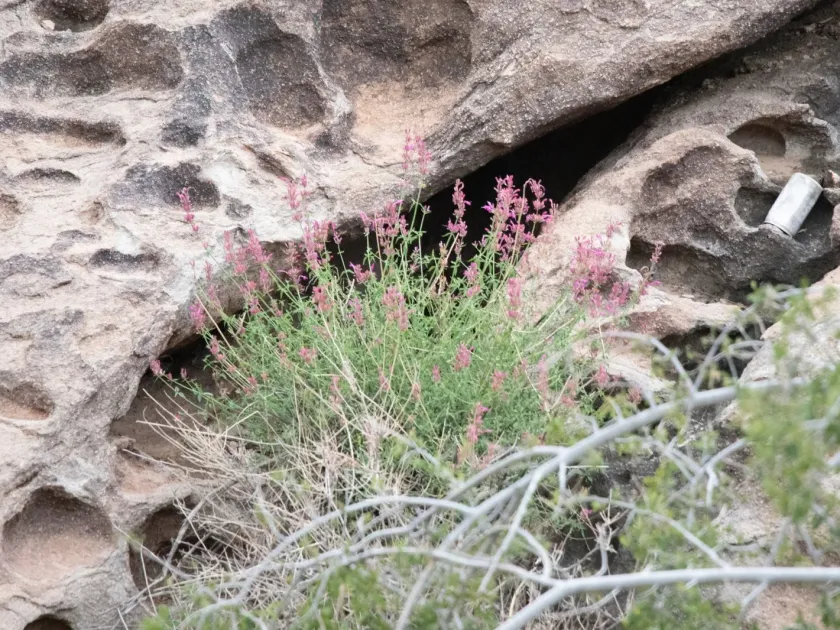
Description
Sowing dates
The cultivation of Agastache cana typically begins with indoor seed starting to ensure a strong root system before transplantation. Seeds should be sown in late winter or early spring in a well-draining sterile potting mix, covering them very lightly as they require light to germinate.
If direct seeding in the field is preferred, it must be performed after the risk of late spring frost has passed. The soil temperature should be consistently warm, and the seedbed must be finely prepared to prevent the small seeds from being buried too deeply.
Seedlings usually emerge within two to three weeks under consistent temperatures of 20 to 22 degrees Celsius. Maintaining high humidity with plastic covers or a misting system during the initial germination phase is essential for optimal results.
Once seedlings have developed at least two sets of true leaves, they should be thinned or transplanted into individual containers. This spacing provides the necessary airflow that is critical in preventing damping-off, a common issue in dense seedling trays.
Before transplanting to the final location, hardened off seedlings perform better. The hardening process involves gradually exposing the plants to outdoor conditions over a ten-day period to reduce transplant shock and improve field survival rates.
Growing requirements
Agastache cana, a member of the Lamiaceae family, thrives in full sun exposure. Adequate sunlight is necessary for the plant to produce the essential oils that give its foliage the characteristic anise-mint scent and high medicinal value.
The soil must be sandy or gravelly with excellent drainage. This plant does not tolerate waterlogged conditions, which lead to root rot. If the soil is heavy clay, planting on raised beds or adding organic grit is highly recommended to improve aeration.
While the plant is known for its moderate drought tolerance once established, regular supplemental irrigation is necessary during the first season and throughout prolonged dry spells in summer to ensure vigorous growth and maximum biomass yield.
This species is heat-loving and prefers warm climates. In areas with harsh winters, it may require protection or mulching, as it is generally hardy only to temperatures down to -15 degrees Celsius. Poor winter drainage combined with cold is the primary cause of plant loss.
Minimal fertilization is required; in fact, over-fertilizing with nitrogen can result in lush foliage but lower essential oil content. A balanced, slow-release fertilizer applied in early spring is usually sufficient to support the plant throughout the growing season.
Yield
The economic yield of Agastache cana consists of fresh or dried aerial parts. For maximum essential oil concentration, harvesting should take place just as the flower spikes begin to show color, as this is when the plants are most potent.
Multiple harvests are possible within a single growing season. By cutting back the stems to approximately 10-15 centimeters above ground level, the plant is encouraged to produce new growth, effectively extending the harvest window until autumn.
As a notable nectar source, the crop also provides secondary income through its use as a honey plant. Its ability to attract diverse pollinators makes it an excellent choice for integrated farm designs where crop productivity depends on effective insect pollination.
Proper post-harvest handling is critical for quality. The harvested material must be dried in a dark, airy location at temperatures below 40 degrees Celsius to prevent the loss of volatile aromatic compounds that define the product's market value.
Under optimal management, a stand of Agastache cana can remain productive for several years. However, vigor typically declines after the fourth or fifth year, at which point the field should be replanted to maintain high-quality oil production.
Main diseases and pests
Fungal diseases remain the most significant threat to Agastache cana production. Powdery mildew can occur during periods of high humidity and poor air circulation, often leaving a white coating on the leaves and reducing photosynthetic activity.
Root rot, often caused by pathogens like Phytophthora, is a primary concern for growers. It is almost always a result of poor soil drainage or excessive irrigation, necessitating strict control over the water management regime in the field.
Common insect pests include aphids and spider mites, which congregate on the soft growing tips of the plants. These pests can stunt growth and cause leaf curling, and in severe cases, they may facilitate the spread of secondary viral infections.
Integrated pest management strategies should emphasize biological controls. Using predatory insects and avoiding broad-spectrum pesticides helps maintain the health of the surrounding ecosystem and ensures the safety of the harvested medicinal product.
Crop rotation is a vital preventive measure to manage soil-borne diseases. Avoiding sites where other Lamiaceae members have been grown in the previous three years significantly reduces the pressure from specialized pathogens that attack this plant family.