
Orange hummingbird mint
Agastache aurantiaca (A.Gray) Lint & Epling
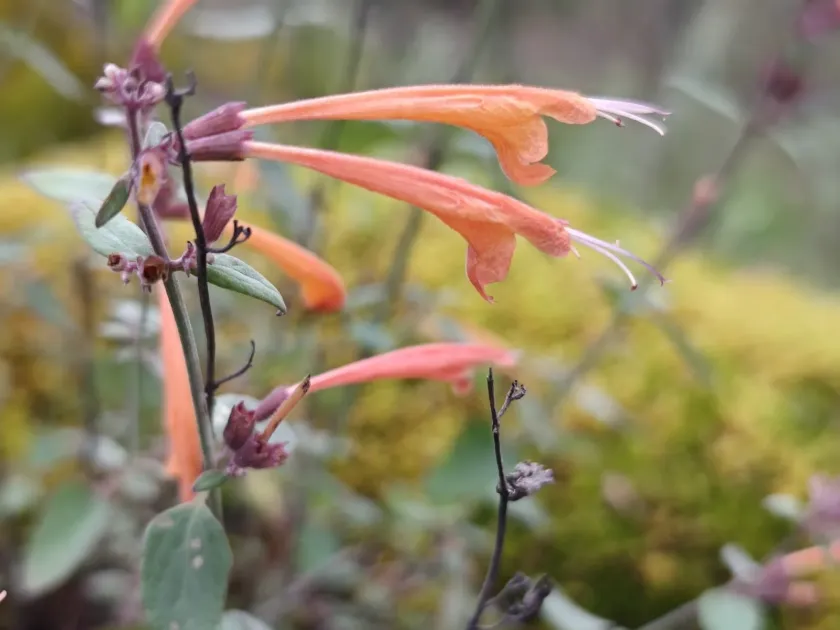
Description
Sowing dates
Sowing seeds of Agastache aurantiaca in temperate climates is recommended using the seedling method. Seeds should be sown indoors in March or early April into a lightweight, well-draining potting substrate.
Seedlings require sufficient light and moderate moisture to develop properly. It is crucial to ensure good ventilation in the seed trays to prevent damping-off, a common fungal issue in early stages.
Pricking out the seedlings should be done at the two-leaf stage. Since these plants grow vigorously, providing enough space is essential to prevent overcrowding and to ensure strong root development.
Transplanting into the garden should occur after the last frost date. Late May or early June is the ideal time when the soil has warmed up sufficiently for vigorous root establishment.
Planting density should allow for adequate airflow between individual plants. Typically, a spacing of 30 to 40 cm is maintained, depending on soil fertility and specific landscaping or agricultural objectives.
Growing requirements
Agastache aurantiaca is a member of the Lamiaceae family that thrives in sunny, warm locations. The plant is highly sensitive to excessive soil moisture, particularly during the winter months.
Successful cultivation requires loose, sandy loam or loamy soils with a neutral to slightly alkaline pH. Heavy clay soils are unsuitable unless amended with organic matter and drainage materials to prevent waterlogging.
While the plant shows moderate drought tolerance once established, it requires regular but moderate watering during active growth and flowering. Excess moisture often leads to root and crown rot.
In colder regions, Agastache aurantiaca needs winter protection or must be grown as an annual. Providing shelter from cold, drying winds and preventing standing water in the spring is critical for plant survival.
The crop responds positively to balanced mineral fertilizers; however, excessive nitrogen should be avoided as it can reduce the concentration of essential oils. Phosphorus-potassium blends are preferred during budding.
Main diseases and pests
Root rot is the most significant threat to Agastache aurantiaca, usually caused by poor drainage or overwatering. Once rot symptoms appear, the plant structure collapses rapidly, making it difficult to save.
Pests like aphids and spider mites can infest the foliage, particularly during hot, dry summer spells. Biological control methods or targeted insecticides should be employed if infestation levels threaten plant health.
Powdery mildew may occur on the leaves if humidity levels are high and air circulation is insufficient. Maintaining proper plant spacing and controlling weeds are the primary methods for prevention.
Slugs and snails can cause damage to young plants in the spring. Protective barriers or organic molluscicides are often used in areas where these pests are prevalent.
Viral diseases are relatively uncommon but necessitate drastic action, including the removal and destruction of infected individuals to prevent the pathogen from spreading to neighboring plants.
Harvesting
Harvesting flowers and aerial parts of Agastache aurantiaca for practical use is best performed during the peak flowering period. This is when the volatile oil and aromatic compound levels are at their maximum.
Stems should be cut during dry, sunny weather in the morning after the dew has evaporated. This practice helps maintain the quality and shelf-life of the harvested material during the drying process.
For seed collection, wait until the inflorescences are fully mature and beginning to dry naturally on the stem. Collect seeds carefully, dry them further if necessary, and clean away any chaff.
Drying should take place in a shaded, well-ventilated area at temperatures not exceeding 35–40 degrees Celsius. Excessive heat causes the evaporation of the delicate essential oils that define the plant.
Store the dried plant material in airtight containers away from direct sunlight. This ensures that the unique citrus-orange aroma is preserved for an extended period for culinary or therapeutic use.