
Kamchatka bugbane
Actaea japonica Thunb.
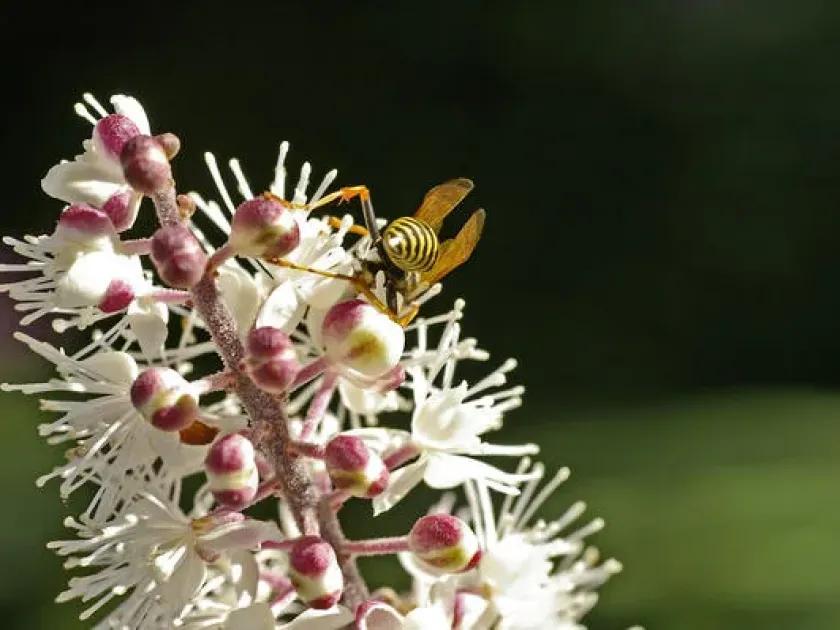
Description
Sowing dates
Kamchatka bugbane (Actaea japonica), belonging to the Ranunculaceae family, is typically propagated by seeds or division. Seeds require a period of cold stratification to break dormancy, making autumn the ideal time for sowing directly into prepared garden beds.
When sowing in spring, seeds must be pre-chilled in a refrigerator for several weeks to ensure a uniform germination rate. After sowing, cover the seeds lightly with soil and keep the surface moist to support the emergence of delicate seedlings.
Vegetative division is best performed in early spring as new growth begins to emerge. Carefully excavate the root clump and split it into sections, ensuring each division contains at least one or two healthy buds for successful establishment.
Choose a permanent location for the plant with care, as Actaea japonica prefers not to be disturbed once it has established its root system. Plant the divisions at the same depth they were growing previously to avoid burying the crown.
Young plants require consistent watering during their first season. Mulching the area around the base with organic matter will help retain soil moisture and protect the roots from sudden temperature fluctuations in the early stages.
Growing requirements
This species thrives in partial shade or dappled sunlight, mimicking the conditions of its native woodland habitats in East Asia. Harsh afternoon sun can scorch the foliage and significantly reduce the plant's ornamental value.
The plant demands rich, well-draining soil that is high in organic matter. A slightly acidic to neutral pH is optimal, and adding compost or leaf mold at the time of planting will provide the necessary nutrients for vigorous growth.
Regular irrigation is essential for the health of Kamchatka bugbane. The soil should remain consistently moist, especially during peak summer temperatures. Inadequate water will quickly lead to wilting and leaf margin necrosis.
Apply a balanced, slow-release fertilizer in early spring to fuel the production of foliage and flower spikes. Avoid over-fertilizing with nitrogen later in the season to prevent weak, succulent growth that is susceptible to damage.
The plant is highly hardy and generally does not require winter protection in temperate climates. It is well-suited for woodland gardens, borders, or shaded spots where other ornamental species might struggle to thrive.
Main diseases and pests
Aphids and spider mites are common pests that may infest the foliage during hot, dry spells. Regular monitoring and the application of horticultural oils or insecticidal soap are effective methods for keeping pest populations in check.
Powdery mildew can appear as a white coating on the leaves, usually triggered by poor air circulation and high humidity. Ensuring adequate spacing between plants and avoiding overhead irrigation can significantly reduce the risk of infection.
Root rot is a major threat in poorly drained or waterlogged soils. It is critical to ensure that the planting site has excellent drainage, especially in areas with heavy clay or where seasonal rainfall is high.
Slugs and snails can cause significant damage to young leaves during the early spring months. Use organic deterrents, such as copper tape or iron phosphate bait, to protect the tender shoots from being decimated by these pests.
Maintaining a clean garden environment by removing dead leaves and debris helps prevent the buildup of fungal spores. Preventive care and timely intervention are key to sustaining a healthy and attractive bugbane specimen.