
White baneberry
Actaea pachypoda Elliott
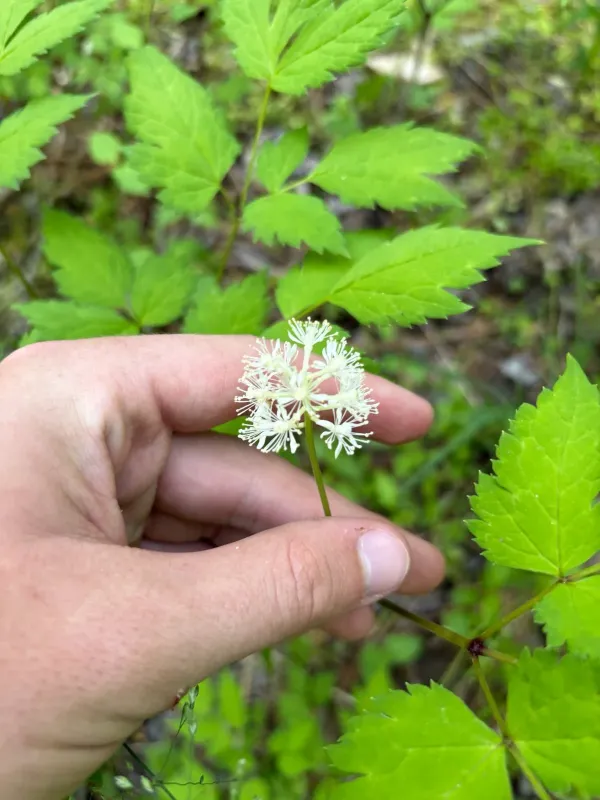
Description
Sowing dates
Sowing white baneberry seeds is most effective when done outdoors in the autumn, as the seeds require a prolonged period of cold stratification to break dormancy. Freshly harvested seeds should be planted immediately for the best germination rates.
Sowing in a controlled environment requires keeping the seeds in a moist substrate at low temperatures (around 0-5°C) for at least three months. If allowed to dry out, the seeds often lose their viability, making them extremely difficult to germinate later.
The seeds should be sown at a shallow depth of about 1 centimeter in a rich, humus-based soil mix. Consistent moisture is crucial throughout the germination process, which can sometimes be irregular and slow.
For those looking for faster results, propagation by division is the preferred method. Dividing the rhizome in early spring before growth begins or in the autumn ensures faster establishment of the plant in a new location.
Seedlings need to be protected from direct sun and extreme fluctuations in soil moisture during their first growing season to ensure healthy root development.
Growing requirements
White baneberry, a member of the Ranunculaceae family, is native to the rich woodlands of North America. It thrives in locations that replicate its natural habitat: partial to deep shade with protection from harsh winds.
The ideal soil conditions for this plant are moisture-retentive, rich, and well-draining loams. A slightly acidic to neutral pH level is generally preferred, mimicking the forest floor environment.
Consistent watering is essential, especially during dry summer spells. Mulching with organic matter, such as leaf mold or bark, is highly recommended to retain soil moisture and stabilize the root temperature.
The plant is hardy and well-adapted to temperate climates, showing good winter resilience. During the winter, the plant goes fully dormant, and the crown should be protected with a light layer of mulch if snow cover is absent.
Fertilization with a balanced organic fertilizer applied in early spring can promote robust foliage growth and the development of its iconic white, eye-like berries.
Main diseases and pests
Slugs and snails are the primary pests that can cause significant damage to the foliage, especially on young plants. Using physical barriers or organic pest control methods helps mitigate this issue effectively.
Powdery mildew can occur if the plants are placed in areas with poor air circulation or if the foliage remains wet for long periods during humid weather. Maintaining proper spacing between plants is the best preventive measure.
Root rot is a major threat in poorly drained soils. Excess water leads to a lack of oxygen in the root zone, making the plant susceptible to fungal pathogens that can cause total collapse of the crown.
It is important to note that all parts of the white baneberry plant are toxic to humans and pets if ingested. Care should be taken to keep the plant away from areas accessible to small children or curious animals.
Regular sanitation, including the removal of dead or diseased leaves, helps maintain the overall vigor of the plant and reduces the likelihood of local pest outbreaks.