
Cimicifuga simplex
Actaea simplex (DC.) Wormsk. ex Prantl
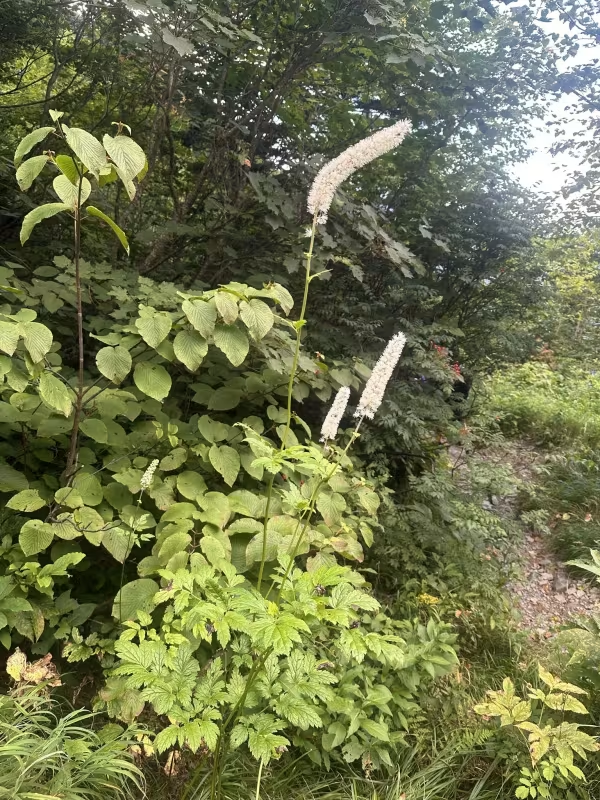
Description
Sowing dates
Propagation of Cimicifuga simplex is primarily achieved through division of the rootstock during the early spring or late autumn, ensuring the plant adapts to its new environment.
Seeds of this species require cold stratification for successful germination, as they possess deep physiological dormancy which makes direct seeding less reliable for large-scale crops.
When transplanting, it is crucial to position the plant so that the crown sits at the same depth as it was previously growing, preventing potential rot or drying out.
Allowing sufficient space is essential; as a mature perennial, this plant requires at least 60–80 cm of separation from neighboring plants to ensure adequate airflow and root expansion.
Newly planted specimens require consistent moisture throughout their first growing season to establish a robust root system before the arrival of extreme seasonal conditions.
Growing requirements
As a member of the Ranunculaceae family, this plant thrives in partially shaded or shaded locations, mimicking its natural woodland habitat where it is shielded from direct sunlight.
The ideal soil is nutrient-rich, humus-heavy, and maintains a consistent level of moisture while providing good drainage to prevent the roots from becoming waterlogged.
The plant performs best in soils with a slightly acidic to neutral pH, which enhances nutrient uptake and overall vigor during the primary growth phase in summer.
Climate adaptability is a strong point for this species, as it is generally winter-hardy in temperate zones, provided the root zone is protected by snow cover or organic mulch.
During prolonged dry spells, artificial irrigation is mandatory, as the plant lacks drought tolerance and will suffer leaf scorching if the soil moisture levels drop significantly.
Main diseases and pests
The most common threats to plant health include root rots and fungal leaf spots, which are usually induced by poor drainage, overly crowded conditions, or high humidity levels.
Pests such as aphids and leaf miners can periodically infest the foliage, leading to cosmetic damage and reduced plant vitality if the infestation is not addressed promptly.
Preventative measures include maintaining adequate spacing between individual plants and ensuring that the garden site has good air circulation to dry out the foliage quickly.
Integrated pest management, including the use of systemic insecticides or biological controls, is effective in managing insect populations without harming the wider ecosystem.
Regular monitoring of the underside of the leaves and the base of the plant is recommended to detect any early signs of pest activity before a major outbreak occurs.
Harvesting
In medicinal and commercial contexts, the harvest primarily involves the collection of rhizomes, which are rich in bioactive compounds used in herbal preparations.
The harvest should take place in the autumn months after the aerial parts of the plant have naturally withered, signaling that nutrients have relocated to the underground organs.
The rhizomes are excavated, thoroughly washed to remove soil, and then dried in controlled temperatures to ensure the preservation of essential phytochemicals and medicinal properties.
In gardening, the primary "harvest" involves the removal of exhausted flower stalks after the bloom season concludes, which encourages the plant to store energy for the next year.
Processed and dried plant material must be stored in airtight containers within cool, dark environments to maintain its quality and shelf life over extended durations.