
Cimicifuga
Actaea racemosa L. x Actaea simplex (DC.) Wormsk. ex Prantl
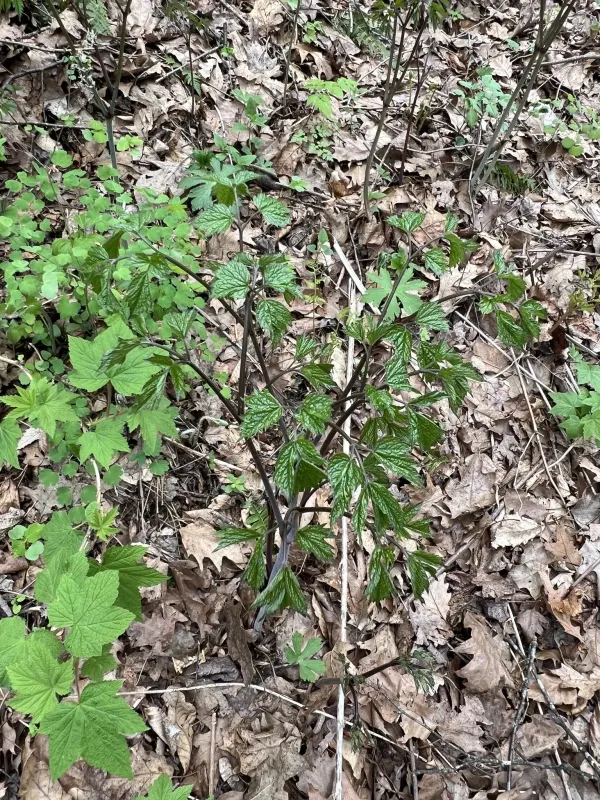
Description
Sowing dates
The propagation of Cimicifuga is most effectively achieved through vegetative division of rhizomes, which preserves the characteristic traits of the parent plant. The optimal timing for this procedure is early spring, when the plant begins its growth cycle, or autumn after the flowering phase has concluded.
Seed propagation is a significantly more demanding process due to the requirement for a prolonged period of stratification to trigger successful germination. Seeds must undergo a cycle of cold temperatures for several months; therefore, they are typically sown outdoors in late autumn or in containers stored in cool environments.
When using seeds, sprouts may take up to a year to emerge, as the seeds possess a deep dormancy state. Maintaining stable moisture levels in the substrate throughout the entire stratification period is essential, as fluctuating moisture can cause the seeds to lose viability.
For commercial production, pre-treatment with growth stimulants is recommended to enhance germination rates. Utilizing a nursery seedling method allows for better monitoring and control over the development of young plants during their sensitive first year.
Transplanting prepared seedlings or root divisions to their permanent site should follow a planting scheme that provides adequate space for the development of a robust root system. An optimal spacing of 60–80 centimeters between plants is generally recommended.
Growing requirements
Cimicifuga, a member of the Ranunculaceae family, has specific requirements regarding soil moisture levels. It thrives in fertile, deeply cultivated loamy soils rich in humus that can retain moisture effectively without becoming waterlogged.
The plant demonstrates peak productivity when grown in semi-shaded locations, where it is protected from intense midday solar exposure. In deep shade, stems may become overly elongated, while excessive sunlight often causes leaf scorching and a premature loss of the plant's aesthetic value.
The culture is well-adapted to varied climatic conditions, possessing strong cold hardiness capable of surviving harsh winters. Nevertheless, it requires protection from strong, desiccating winds, which can easily damage the large, delicate pinnate leaves.
Agronomic management includes regular irrigation, particularly during dry spells, as water stress negatively impacts growth rates and the quality of the medicinal raw material. Mulching the soil with organic matter is advised to retain soil moisture and suppress weed growth.
The crop responds positively to the application of balanced mineral fertilizers and organic matter during the spring season. Monitoring soil pH is vital, as the plant prefers a slightly acidic environment, which facilitates optimal nutrient uptake.
Yield
The economic value of Cimicifuga is derived from the accumulation of bioactive compounds within the rhizomes, which are utilized by the pharmaceutical industry. The yield of the root biomass is contingent upon the age of the plantation and the specific agronomic practices applied.
Commercial harvesting is typically conducted in the third or fourth year of the plant's life cycle, once the roots have reached peak accumulation of active compounds. Harvesting prior to this maturity is considered inefficient due to the lower concentration of therapeutic substances.
Average yields of raw biomass per hectare vary depending on management intensity and planting density. With proper adherence to cultivation technology, the output of dried raw material reaches volumes that ensure the commercial viability of the crop.
Adhering to harvest timelines is a critical factor, as the concentration of pharmacologically active triterpene glycosides fluctuates throughout the vegetative stages. The ideal harvest window occurs after the above-ground parts of the plant have died back.
Post-harvest, rhizomes require meticulous cleaning, washing, and drying under strictly controlled temperatures. Failure to manage the drying process correctly can lead to the degradation of valuable chemical components, thereby reducing the quality of the final product.
Main diseases and pests
Cimicifuga generally possesses a robust immune system; however, in conditions of high humidity and poor spacing, it may be susceptible to fungal diseases such as powdery mildew or gray mold. Ensuring adequate airflow around the canopy is essential for disease prevention.
Pests like aphids or spider mites may inflict damage on the foliage by sucking sap, which weakens the plant. While insecticides or acaricides can be used, their application on medicinal crops must be strictly regulated and kept to a minimum.
Larvae of certain soil-dwelling pests can damage the root system, leading to stunted growth. Systematic monitoring of soil health and timely intervention are necessary to mitigate these risks during the early stages of development.
Damage caused by slugs is particularly problematic for young shoots in the spring. Barrier methods or targeted organic treatments can be employed to protect the succulent foliage from grazing.
Practicing strict crop rotation and avoiding planting Cimicifuga in fields previously occupied by other Ranunculaceae species helps to lower the pathogen load and prevents the buildup of host-specific infections in the soil.
Harvesting
Harvesting of Cimicifuga begins after the vegetative cycle is complete and the plant's nutrients have translocated into the root system. This process is most commonly scheduled for late autumn.
The rhizomes are extracted using either mechanical equipment or manual labor, with care taken to minimize physical injury to the tissues. Once extracted, the roots are thoroughly cleaned of soil and washed with running water to remove impurities.
Primary processing involves the sorting of the raw material, where damaged, decayed, or undersized fragments are discarded. The remaining mass is then chopped into smaller pieces to ensure more uniform and efficient dehydration.
The drying process takes place in specialized industrial dryers at temperatures not exceeding 45–50 degrees Celsius. Exposure to higher temperatures can destroy sensitive organic compounds, making temperature precision a critical requirement.
The finished product must be packaged in breathable materials and stored in dry, cool, and dark warehouse facilities. Correct storage conditions guarantee the preservation of all therapeutic properties over an extended shelf life.