
Black cohosh
Actaea racemosa L.
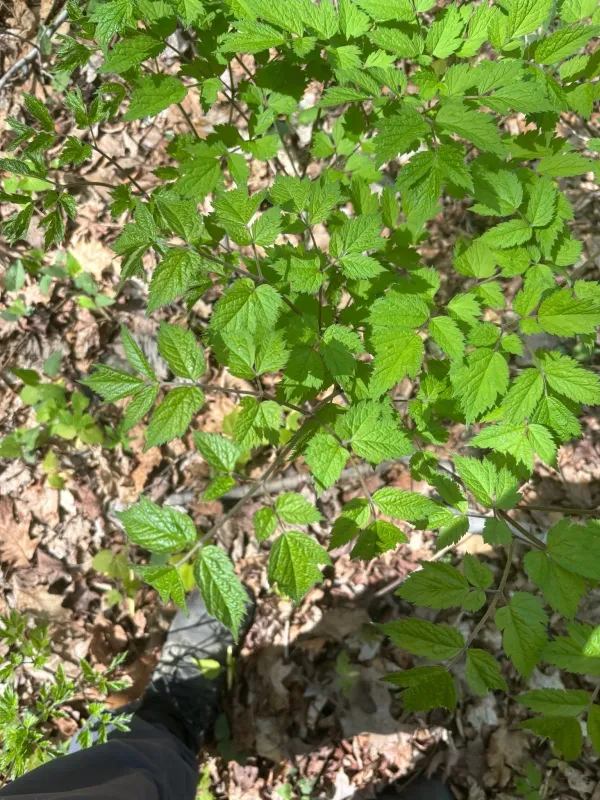
Description
Sowing dates
Black cohosh (Actaea racemosa) is a perennial herb belonging to the Ranunculaceae family. In agricultural practice, vegetative propagation by dividing established rhizomes is preferred to ensure consistent genetic quality.
Seed propagation is also possible but requires a long cold stratification period, usually lasting several months. Seeds are typically sown in the fall, allowing them to experience winter conditions before germination in the spring.
The optimal time for transplanting seedlings or divisions is early spring, provided the soil has warmed up sufficiently, which promotes vigorous root growth before the summer heat.
Proper spacing is crucial to minimize competition for resources. Plants should be placed approximately 60 centimeters apart to allow for the development of large, mature root systems.
When sowing seeds, they should be covered with only a thin layer of soil, about 1–2 centimeters deep. Growth in the first year is notably slow, requiring patient management of the plantation area.
Growing requirements
Black cohosh thrives in partial shade environments, mimicking its natural woodland habitat. Excessive sunlight can cause leaf scorching and negatively impact the biosynthesis of medicinal compounds.
The ideal soil is rich in organic matter, deep, and moist but well-drained. A slightly acidic to neutral soil pH is preferred for optimal nutrient availability and overall vigor.
Consistent soil moisture is essential for this crop. It does not tolerate prolonged drought, yet it is equally sensitive to waterlogged conditions, which can lead to root diseases.
Regular mulching with organic material helps maintain soil moisture levels and suppresses weed growth, which is a major challenge during the early establishment phases of the crop.
Soil management should include regular additions of compost to maintain high fertility levels, which directly contributes to the biomass accumulation of the rhizomes over time.
Yield
The harvestable part of the plant is the rhizome. This crop requires a long-term investment, as the first harvest is generally expected only after 3 to 5 years of steady growth.
Under optimal management, yields can reach 2.5 to 3 metric tons of dry roots per hectare. The total yield depends heavily on site selection and the intensity of the care provided.
Active constituents, such as triterpene glycosides, accumulate over several years. Harvesting too early results in a lower concentration of these pharmaceutical compounds, reducing the crop's market value.
Productivity is also influenced by the quality of the planting stock. Selecting high-yielding populations and maintaining consistent field conditions are key to commercial success.
Post-harvest evaluation includes chemical testing to verify the concentration of active compounds, which is essential for meeting industry standards for herbal medicine raw materials.
Main diseases and pests
While relatively robust, black cohosh can be susceptible to root rot, particularly in heavy or poorly drained soils where fungi thrive in damp conditions.
Slugs and snails are the primary pests that damage young foliage, especially during moist spring weather. Integrated pest management strategies are necessary to protect the plant canopy.
Powdery mildew can occur in densely planted fields with poor air circulation. Thinning stands and ensuring adequate airflow are effective preventative measures.
Regular monitoring of the plantation is required to detect early signs of infestation or infection. Removal of affected plants helps to prevent the spread of diseases across the field.
Root health is the priority for farmers; maintaining the correct soil moisture and providing adequate drainage are the most effective defenses against common soil-borne threats.
Harvesting
The harvesting process takes place in autumn once the plant enters dormancy and the aerial parts have withered. This timing ensures the highest concentration of active ingredients in the roots.
Mechanical digging equipment is often used to lift the rhizomes from the ground. Careful handling is required to avoid unnecessary physical trauma to the roots during extraction.
Post-harvest cleaning involves thorough washing to remove all soil particles. The roots are then chopped into smaller segments to facilitate efficient and uniform drying.
Drying must be conducted in controlled conditions, typically at temperatures ranging from 40 to 45 degrees Celsius, to protect the integrity of the thermo-sensitive chemical components.
Final storage should be in a cool, dry, and well-ventilated area using breathable packaging to ensure the longevity of the dried herbal product until it is processed further.