
Sneezewort yarrow
Achillea ptarmica L.
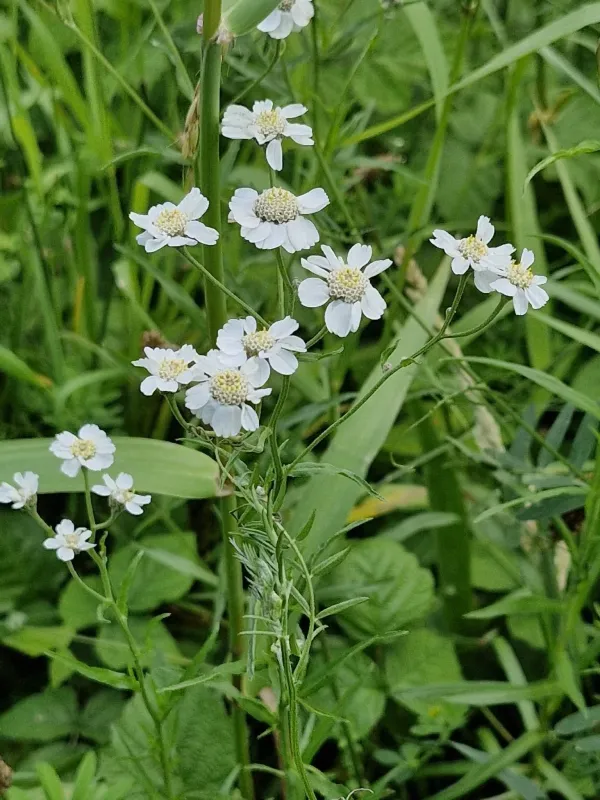
Description
Sowing dates
Sneezewort yarrow (Achillea ptarmica) is typically sown in early spring, once the soil has warmed up sufficiently, ensuring successful germination of the tiny seeds.
For greenhouse or container production, seeds are sown in late winter. This indoor start allows the plants to establish a robust root system before being transplanted into the field.
Vegetative propagation via division of established clumps is the preferred commercial method. Dividing the plants every three to four years keeps them healthy and vigorous.
When direct seeding, it is crucial to maintain shallow planting depth, as the seeds require light for optimal germination, often needing only a light dusting of soil.
Optimal spacing of approximately 30-40 cm between rows and plants ensures adequate airflow, which is critical for reducing the incidence of fungal diseases during the growing season.
Growing requirements
Unlike many other yarrow species, Achillea ptarmica thrives in moist to wet soil conditions, making it an excellent candidate for regions with higher rainfall or heavy, damp soils.
The plant requires full sun exposure to produce the best flower density and structural integrity, though it can tolerate partial shade in hotter climates.
Fertile, loamy soils that can retain consistent moisture are ideal. While it is adaptable, incorporating organic matter like compost improves overall soil health and plant longevity.
It is a hardy perennial, capable of withstanding cold winters across various USDA zones. It does not require special winter protection under standard field conditions.
During prolonged dry spells, supplemental irrigation is necessary. Even though it tolerates moisture, the plant's aesthetic value is significantly reduced if it suffers from severe drought stress.
Yield
Yield is measured by the number of flowering stems and the biomass produced during the growing season, which usually peaks from mid-summer through early autumn.
High-quality harvests depend on proper nutrient management. Balanced fertilization during the early spring growth phase promotes long, sturdy stems suitable for commercial markets.
When managed properly, a single establishment of Achillea ptarmica can remain productive for several years, providing multiple annual harvests of fresh or dried flowers.
Consistent deadheading can encourage the plant to produce a second flush of blooms, thereby increasing total yield per growing season for ornamental and cut-flower applications.
Commercial producers should monitor soil fertility levels annually, as high productivity can deplete essential nutrients over time, necessitating corrective fertilization.
Main diseases and pests
Common threats include powdery mildew, especially in environments with poor air circulation or high humidity levels, which can disfigure foliage and stems.
Pests like aphids and spider mites can infest the soft new growth, necessitating early detection and the use of appropriate biological or chemical controls.
Root rot is a significant risk in areas with standing water. While the plant likes moisture, it does not tolerate anaerobic soil conditions caused by poor drainage.
Implementing a strict sanitation program, including the removal of dead foliage at the end of the season, reduces the overwintering potential of various pathogens.
- Early pest detection programs
- Strategic thinning to improve airflow
- Rotation of crops every few years
- Removal of infected debris
Harvesting
Harvesting for floral use should occur during dry, sunny mornings once the dew has evaporated to ensure the highest quality and prevent post-harvest spoilage.
For dried flower production, harvest stems when the flowers are fully open. Hanging them upside down in a dark, airy location preserves their structure and color.
Medicinal harvesting is typically timed when the plant is in full bloom, capturing the peak concentration of essential compounds within the aerial parts.
After the harvest season, the plants should be cut back to just a few centimeters above the ground to prepare them for winter dormancy and prevent disease accumulation.
Proper storage of dried material involves cool, dark, and dry conditions to maintain the longevity and quality of the medicinal and ornamental harvest.