
Alpine yarrow
Achillea alpina L. x Achillea millefolium L.
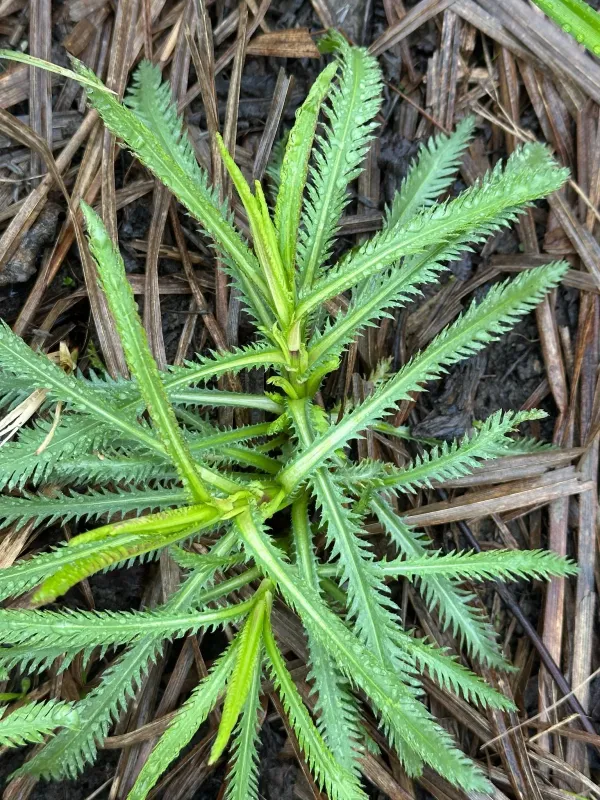
Description
Sowing dates
Alpine yarrow is best sown in early spring when soil temperatures reach 10 degrees Celsius. In regions with milder climates, late autumn sowing can also yield successful results.
The seeds are extremely small, necessitating a shallow planting depth of about 1 centimeter. Proper soil firming post-planting is essential for optimal moisture uptake and germination.
Seedlings typically emerge within 2 to 3 weeks depending on ambient temperature. It is crucial to ensure the seedbed remains lightly moist throughout the initial germination phase.
For large-scale cultivation, spacing rows 50 to 60 centimeters apart allows for mechanical weeding and proper air circulation. This prevents overcrowding, which is vital for plant health.
Using certified, high-germination seeds is recommended to ensure a uniform field stand. Consistent planting density contributes to more efficient harvesting cycles in subsequent years.
Growing requirements
Alpine yarrow is a member of the Asteraceae family, well-adapted to various environments. It thrives in full sunlight, which is necessary for the development of potent medicinal compounds.
Well-drained loam soil is ideal for this crop. It tolerates poor soil conditions but prefers a neutral pH range to maximize nutrient absorption and general plant vigor.
The plant demonstrates high drought tolerance once established, thanks to its extensive root system. However, providing supplemental irrigation during bud formation improves yield significantly.
It is fully winter-hardy and requires no special protection during freezing temperatures. The perennial nature of the crop allows for a long-term production cycle on the same site.
Fertilization should be moderate, focusing on potassium and phosphorus to enhance structural integrity and oil concentration. Avoid excessive nitrogen, which promotes foliage over essential flowering.
Yield
The yield of green mass per hectare typically ranges from 5 to 10 tons. Factors influencing this include soil fertility, age of the plantation, and annual climatic conditions.
Highest quality yields are usually obtained between the third and fifth years of plant development. During this period, the concentration of active medicinal agents is at its peak.
Two harvests per season are possible with good management practices. Timely cutting after the first bloom encourages new growth for a second, productive cutting before winter.
Dried yield accounts for approximately 20 to 25 percent of the fresh harvest weight. Proper drying techniques are crucial for maintaining market value and therapeutic effectiveness.
Strategic crop rotation and periodic plantation renewal keep yields stable over time. Harvesting with specialized equipment can reduce losses and preserve the integrity of the flower heads.
Main diseases and pests
Aphids are the primary pests that target the young shoots of yarrow. Integrated pest management, including natural predators, is preferred over chemical interventions for medicinal crops.
Powdery mildew can become an issue in humid, stagnant air environments. Increasing row spacing and ensuring proper field drainage are effective preventive measures against fungal growth.
Root rot occurs primarily in waterlogged soils. Maintaining the integrity of the soil structure and avoiding over-irrigation are critical to keeping the root system healthy.
Leaf beetles may consume foliage, impacting photosynthesis. Regular scouting of the field allows for early intervention before damage reaches economic thresholds.
- Aphids
- Powdery mildew
- Root rot
- Leaf beetles
Harvesting
Harvesting should occur during the full bloom phase, as this is when essential oil content is highest. Stems are cut roughly 15 to 20 centimeters from the top.
Operations should be performed in dry, sunny weather after dew has evaporated. Dry conditions ensure that the harvested material maintains quality and does not ferment.
Rapid transport to the drying facility is essential after cutting. Controlled drying at temperatures below 45 degrees Celsius preserves the color and volatile oils of the flowers.
Post-drying, the material should be cleaned of stems and debris. Only clean, vibrant, and aromatic flower heads meet the standards for high-quality medicinal export or local sale.
Storage requires cool, dry, and dark conditions. Proper packaging prevents moisture accumulation and protects the dried herbs from pests and loss of potency over time.