
Yarrow
Achillea millefolium L.
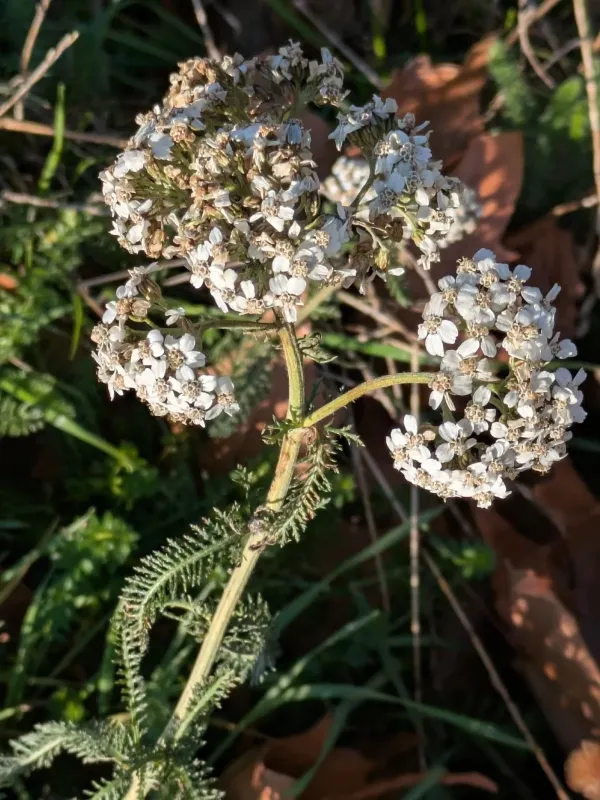
Description
Sowing dates
Achillea millefolium L., commonly known as yarrow, belongs to the Asteraceae family. It is a perennial herb that is widely cultivated for its medicinal properties and ornamental value in sustainable landscapes.
The seeds should be sown in early spring or late autumn. Because the seeds are tiny and require light for germination, they should be barely covered with soil or sown on the surface and pressed firmly into the substrate.
For commercial cultivation, row planting with a spacing of 45–60 cm is standard. This allows for effective mechanical weeding and provides enough space for the plants to establish a robust root system during their first year of growth.
Transplanting seedlings is an alternative method to ensure uniform crop establishment. Starting the plants in trays indoors allows for protection during the sensitive germination phase and ensures a higher survival rate in the field.
Once established, a yarrow plantation remains productive for several years. Since it is a perennial, the crop does not need to be replanted annually, making it a cost-effective choice for long-term production cycles.
Growing requirements
Yarrow is a highly adaptable plant known for its drought tolerance and hardiness. It thrives in full sun, which is essential for maximizing the concentration of essential oils and other secondary metabolites.
The plant prefers well-drained, light soils, such as sandy loams. While it can survive in poor soils, avoiding waterlogged conditions is crucial, as excess moisture often leads to root decay and diminished plant vigor.
Agricultural management involves routine cultivation between rows to maintain aeration and manage weed pressure. The plant develops a deep, fibrous root system, enabling it to access moisture and nutrients effectively.
Fertilization should be kept moderate. Over-application of nitrogenous fertilizers promotes excessive vegetative growth at the expense of floral development and medicinal quality, so a balanced approach is recommended.
Yarrow is exceptionally frost-tolerant and does not require special winter protection in most temperate climate zones, allowing it to survive extreme temperatures while remaining ready for active growth the following spring.
Yield
The yield of dried biomass varies significantly based on environmental conditions and harvest timing. On average, a well-managed crop can produce between 1.5 to 3 tons of dried raw material per hectare.
Productivity peaks during the second to fourth year of cultivation. During this period, the plant produces an abundance of flowering stems, which are the primary parts harvested for commercial use in the herbal industry.
Applying irrigation during periods of severe drought can significantly increase total biomass yield. Proper moisture management ensures that the plant continues to develop throughout the summer, resulting in a heavier harvest.
Quality control is just as important as total yield. The concentration of active ingredients, such as flavonoids and azulenes, is highest when the plant is harvested at the peak of full bloom before the stems become woody.
Efficient handling post-harvest is essential to maintain high market value. Quick drying in a controlled environment ensures that the color and chemical composition of the harvest remain intact for end-users.
Main diseases and pests
Powdery mildew is the most common disease for yarrow, particularly in high-humidity areas with poor air circulation. It appears as a white coating on leaves and can reduce the overall health of the crop.
Pests such as aphids and various plant bugs may infest the floral parts of the plant. Monitoring the crop during the peak flowering season is necessary to prevent significant damage to the harvestable biomass.
Root rot caused by poor soil drainage is a major threat. Growers should prioritize site selection with excellent drainage and implement proper spacing to ensure adequate airflow around the base of the plant.
Weed control is the primary challenge during the first year. Because yarrow grows slowly in the early stages, mechanical weeding and mulching are vital to keep the young plants from being outcompeted by aggressive weeds.
Integrated Pest Management (IPM) strategies are preferred over heavy chemical usage, as yarrow is primarily used in the health and wellness sector, where cleanliness and residue-free products are highly valued.
Harvesting
The harvest should occur during the full bloom stage. This is when the plant's medicinal properties are most concentrated, and the inflorescences are visually at their best for processing.
Mechanical harvesting is carried out using specialized mowers, with the cut made at approximately 15 cm above the soil surface. This height allows for rapid regrowth and maintains the plant's longevity.
Speed is essential after cutting; the harvested material must be moved to drying facilities immediately. Stacking the material in the field can lead to overheating and fermentation, which destroys active ingredients.
Drying is conducted in rooms or tunnels with active ventilation at temperatures below 45 degrees Celsius. This preserves the delicate chemical structure of the plant and prevents the growth of molds.
Once dried, the raw material is processed to remove woody stems and debris. Proper packaging in dry, light-protected conditions ensures that the quality remains stable during storage and transportation to the buyer.