
Alpine yarrow
Achillea alpina L.
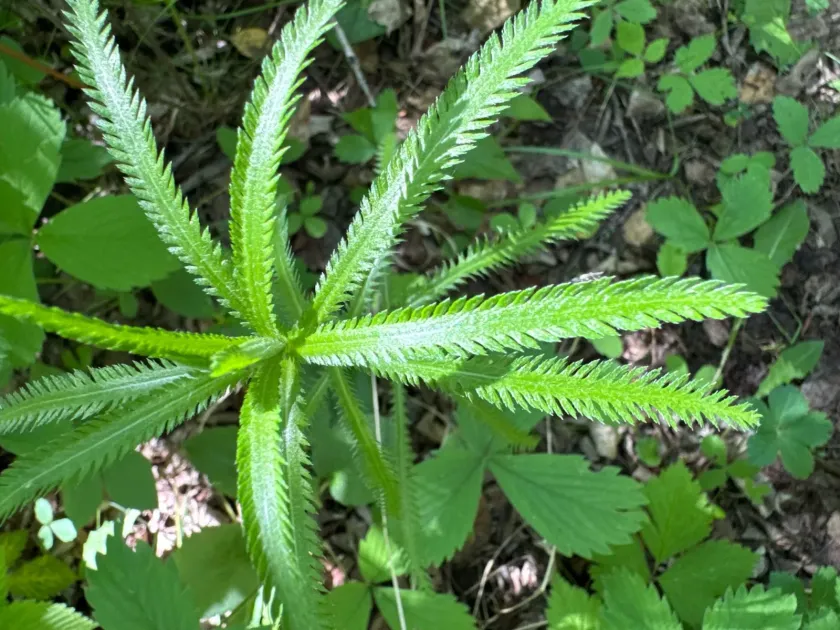
Description
Sowing dates
Alpine yarrow (Achillea alpina L.) is a resilient perennial herb belonging to the Asteraceae family. In agricultural settings, sowing is typically performed in early spring once the soil temperature reaches at least 10–12°C.
Seeds are sown shallowly, ideally at a depth of 0.5–1 cm, to ensure adequate light exposure for germination. Both direct seeding and transplanting methods are widely used depending on the specific scale of production.
For efficient field management, row spacing should be maintained between 45 and 60 cm. This spacing allows for mechanized weeding and ensures that each plant receives sufficient nutrients and light.
The germination period usually lasts between 10 to 20 days, during which consistent soil moisture is crucial. Once established, the plant shows strong vigor and can persist in the field for several consecutive years.
It is recommended to use certified, high-germination seed lots to prevent uneven stand density and to ensure uniformity in the growth stages across the entire plantation.
Growing requirements
This species thrives in sunny, open locations. While it is naturally adapted to mountain environments, it performs exceptionally well in temperate climates provided it receives sufficient light exposure.
Soil requirements focus on good drainage and aeration. Alpine yarrow prefers light, sandy or loamy soils with a neutral pH, and it is highly sensitive to waterlogged conditions that can cause root decay.
The plant is noted for its winter hardiness and drought tolerance, making it an excellent candidate for low-maintenance agricultural plots. It requires minimal irrigation once the root system has fully developed.
Balanced fertilization, particularly with a focus on phosphorus and potassium, encourages stronger stems and better flowering, which is essential for medicinal raw material production.
Crop rotation is vital for long-term health. Following legumes or cereal crops is recommended to reduce weed pressure and improve soil nitrogen levels naturally.
Main diseases and pests
Common threats to Alpine yarrow include various leaf-feeding insects and aphids that can cluster on the flower heads. Regular monitoring is essential to detect early outbreaks before they impact yield quality.
Powdery mildew represents the most frequent disease, particularly in regions with high humidity or poor airflow between plants. Proper spacing is the best preventive measure against fungal infections.
Root rot is a significant concern only if irrigation is poorly managed or soil drainage is insufficient. Ensuring the field remains free of standing water is a core component of disease management.
Integrated pest management (IPM) strategies, including the use of biological controls, are preferred to maintain the pharmaceutical grade of the harvestable product.
- Regular weeding of inter-row spaces.
- Monitoring for insect pests during the pre-flowering stage.
- Removing debris to prevent fungal accumulation.
Harvesting
Harvesting is scheduled during the peak flowering phase. During this time, the concentration of active compounds, including flavonoids and essential oils, reaches its maximum.
The harvest typically involves cutting the top 15–20 cm of the stems. Mechanical harvesters should be calibrated to avoid damaging the crown of the plant to allow for regrowth.
Immediate post-harvest processing is critical. The green mass should be spread in thin layers in shaded, well-ventilated drying facilities to prevent fermentation.
Proper drying temperatures (below 40°C) help preserve the natural color and therapeutic properties of the herb. Once fully dried, the material must be stored in airtight containers.
Maintaining the integrity of the harvested material involves protecting it from light and excessive humidity, which ensures a long shelf life and consistent quality for end users.