
Silver yarrow
Achillea clavennae L.
Description
Sowing dates
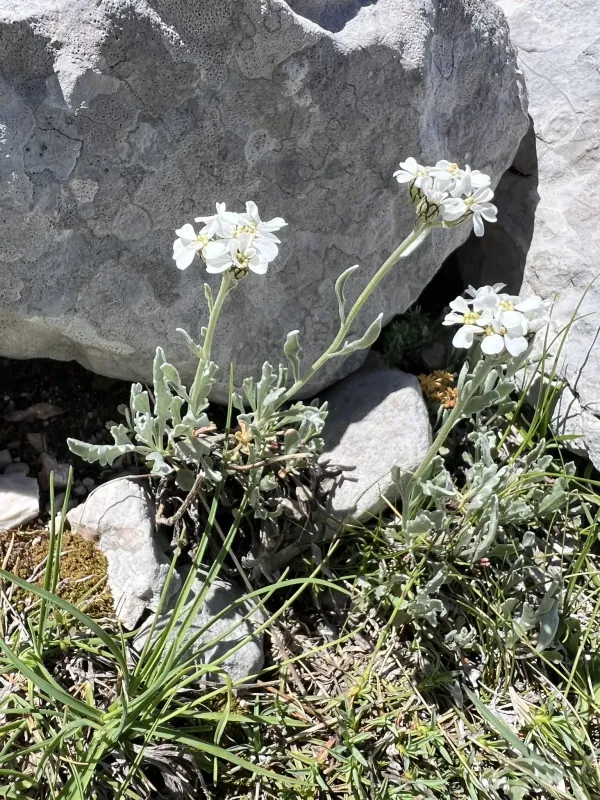
Silver yarrow (Achillea clavennae) is a hardy perennial member of the Asteraceae family, typically found in alpine regions of Central and Southern Europe.
For propagation, seeds should be surface-sown in well-draining soil, as they require light to germinate effectively after a period of stratification.
When starting indoors, maintain a temperature of about 15–18°C, and transplant the seedlings outside once the risk of frost has passed.
Vegetative propagation via root division is highly recommended for established plants to maintain the vigor and uniformity of the planting area.
Space the plants approximately 30 centimeters apart to ensure proper airflow, which is crucial for preventing humidity-related issues in dense foliage.
Growing requirements
This alpine species thrives in full sun and requires exceptionally well-draining, gritty soil to mimic its native rocky limestone habitats.
It is remarkably drought-tolerant, making it an excellent choice for rock gardens and xeriscaping where water resources may be limited.
The ideal soil pH is neutral to slightly alkaline, and the plant performs poorly in heavy, clay-rich substrates that remain soggy during the winter.
Regular fertilization is generally unnecessary and potentially harmful, as excessive nitrogen promotes weak growth and reduces the plant's natural essential oil concentration.
The plant is highly frost-hardy and can withstand severe winter conditions provided that the crown remains dry and free of standing water.
Main diseases and pests
Root rot is the most common threat to Silver yarrow, caused by poor drainage or overwatering, particularly in humid or low-lying areas.
Aphids can occasionally colonize the soft, young growth, but are typically managed through natural predators or manual removal if infestations are light.
Powdery mildew may appear if planting density is too high or if the plants lack adequate sunlight and airflow, requiring careful spacing.
Proper sanitation in the garden, including the removal of dead foliage, helps minimize the risk of fungal spores taking hold during wet seasons.
Monitoring for pests and disease early in the season is vital for maintaining the aesthetic value of this attractive silver-leaved plant.
Harvesting
Harvesting is ideally timed during the peak flowering period, when the concentration of secondary metabolites is at its highest point.
Cut the flowering stems carefully to ensure that the plant retains enough foliage to support regrowth for the following season.
Drying should be performed in a cool, dark, and well-ventilated area to preserve the essential oils and the plant's characteristic silvery appearance.
Once dried, the plant material must be stored in airtight containers away from heat and moisture to maintain its medicinal and ornamental quality.
If cultivated for medicinal purposes, ensure the area is free from chemical pesticides to meet quality standards for herbal consumption.