
Acanthocalycium rhodotrichum
Acanthocalycium rhodotrichum
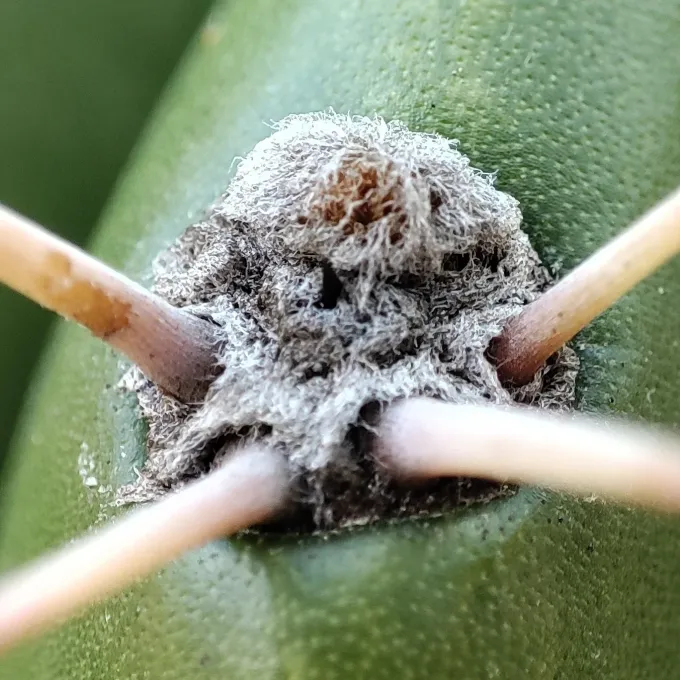
Description
Sowing dates
Propagation of Acanthocalycium rhodotrichum via seeds is typically performed in the spring, between March and April, when increasing daylight hours support optimal germination. Seeds require a consistent temperature of +22 to +25 degrees Celsius to sprout effectively.
Seeds should be sown in a sterile, well-draining mixture of peat and coarse sand. Maintaining high humidity levels within a propagation tray or mini-greenhouse is essential until seedlings emerge, after which ventilation should be gradually increased.
Seedlings develop slowly and require careful monitoring to ensure the soil remains slightly moist without becoming waterlogged. Pricking out is usually done once the young cacti develop sufficient spines and are strong enough to handle.
Grafting seedlings onto faster-growing rootstocks is a common practice among collectors to accelerate growth and induce earlier flowering. This technique helps in preserving delicate seedlings that might otherwise struggle on their own roots.
Vegetative propagation through offsets is also possible if the mother plant produces any, although this species is not known for heavy clumping, making seed production the primary method for propagation.
Growing requirements
Acanthocalycium rhodotrichum belongs to the Cactaceae family and is native to the high-altitude regions of Argentina. This origin makes the plant highly adapted to bright, intense light and significant diurnal temperature fluctuations.
The plant thrives in maximum light exposure throughout the growing season. Inadequate light will lead to etiolation, where the stem becomes elongated and weak, significantly detracting from its natural, compact aesthetic.
Soil requirements focus on excellent drainage; a mix of potting soil, coarse grit, and perlite or pumice is recommended. The substrate should be neutral to slightly acidic to facilitate healthy nutrient uptake.
Summer watering must be measured, allowing the soil to dry out completely between sessions to prevent rot. A strict winter dormancy period, with temperatures around +8 to +12 degrees Celsius and no water, is vital for successful future blooming.
Effective drainage is non-negotiable for this species. Using pots with drainage holes and a layer of coarse gravel at the bottom will significantly reduce the risk of root-related failures in a home environment.
Main diseases and pests
The main pests affecting Acanthocalycium rhodotrichum include mealybugs and spider mites, which thrive in dry indoor conditions. Regular inspection and localized treatment with systemic insecticides are recommended when pests appear.
Fungal issues, often manifesting as tissue softening or dark spots, are typically the result of overwatering in cool conditions. Once rot sets in, the affected areas must be removed surgically, followed by treatment with fungicides.
Maintaining proper hygiene and using only disinfected tools is the most effective way to prevent the spread of infections. All new plants entering a collection should undergo a quarantine period of at least four weeks.
Sunburn is a common physiological threat in early spring if the plant is moved abruptly from low winter light to intense direct sun. Gradual acclimatization is necessary to avoid permanent scarring on the cactus epidermis.
Routine monitoring and maintenance of the correct substrate moisture levels are the best defenses against both pests and physiological stress, ensuring the cactus remains healthy throughout the year.